Tag Archives: Family

Courage at Twilight: Baby Henry

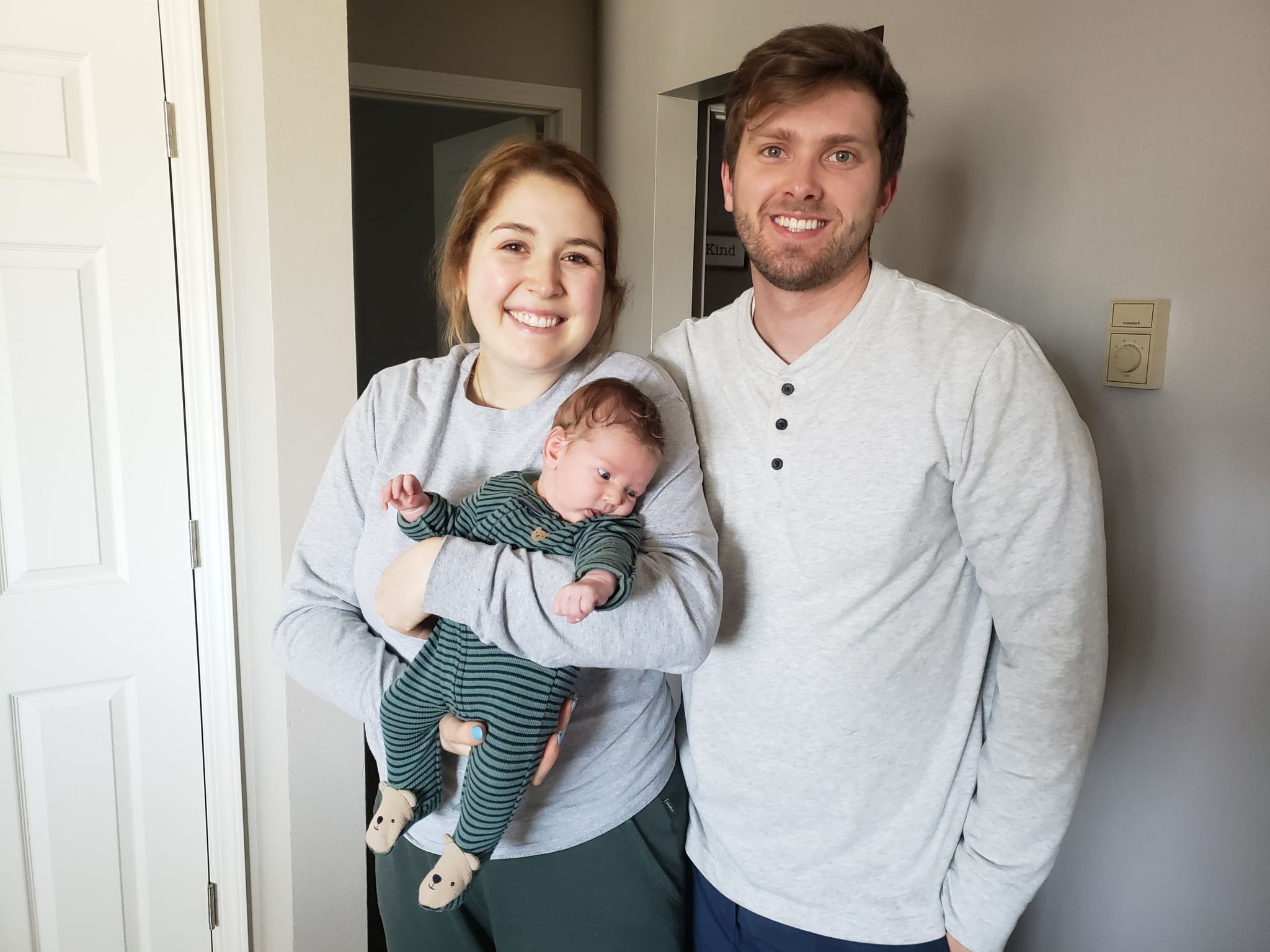
The tiny boy in my hands is a perfectly proportionate finely-featured human being in miniature.  His eyes are shifting from newborn gray to paternal blue.  His hair is growing from newborn black to maternal chestnut: lots of it, and curly.  And I am holding him, baby Henry, the child of my child.  In January.  Holding him feels natural—I know the moving parts and the comforting positions, and where he needs support.  At three weeks old, he looked into my eyes—he really did—and gazed at me for a good long time—he really did—and a not-gas-bubble smile began to play in the corner of his moving mouth on one side while he gazed—it really did.  Somehow the world seems good and whole when holding a newborn.  The problems melt away, and love flows.  And I speak in gibberish the infant can understand because the sounds come from a smiling face and a lilting voice and dancing eyes, and those little ears take in the sounds and smiles and glints of light and love.  Until three weeks ago I had one grandchild, the source of my greatest joy.  Now Henry is here, and the stable of my heart has grown to make ample room for him in the manger, and will make more room in April, and more in October, and yet more….

(Above: Henry on a quilt sewn by his aunt Laura.)

Henry on a blanket crocheted by his great-aunt Carolyn.


Henry with his wonderful parents John and Alleigh.


Yours truly holding the sleeping baby Henry.

Courage at Twilight: The Lights Is Always On

I pulled into the driveway after 11:00 p.m. on a Wednesday, commuting the long hour after a long City Council meeting.  The garage light shone through the door’s glass panes.  How convenient, I could have thought.  I would not have to gather my things and make my way to the house door in the dark.  Instead, I thought about how Mom had been thinking of me that day and that night, and how she had made a point of turning on the light for me, to make my path bright and easy.  And I thought about Mom and Dad sitting me down first thing every night to ask me about my day, in the process teaching me the consideration of asking them about their day—now, I try to ask them first.  And I thought about how they answer the phone every day to listen to one of their beloved daughters, the troubles and worries and defeats and victories.  And I remembered how Mom was there when I had my tonsils removed (1968), and my appendix removed (1982), gangrenous and tight, and my knee reconstructed and my leg immobilized for six weeks (during the dark ages of 1983), and my hernias patched (2012) and how in their 80s they brought me home to recover from my last surgery (2019), along with a pot of homemade chicken-vegetable soup.  And I remember how Mom gathered us on Monday nights after fried pork chops to teach us a new church song, posterboard prompts held high, and Dad expounded his lifetime of scriptural insights, which bless me deeply every day, and how we ended with donuts or ice cream or rice pudding or little bowls of M&Ms.  And I ponder their devotion and sacrifice and how they deserve my devotion and sacrifice.  So, when I saw the garage light on, I jolted with the sudden but not-surprising awareness that their light has always been on for me.

(Image by Arek Socha from Pixabay )

Courage at Twilight: Valley of Fire

She announced early in February that she was taking the children camping in Nevada where the sun shone warm and the sky vibrated blue and the sandstone grottos would shelter their tent in shimmering desert solitude and beauty.  How wonderful and fun, I thought, but she announced this trip was for her and the children and I was not invited.  So they went camping and I went to work those gray snowy foggy days in February.  The still sandstone dunes radiated rainbow stripes of pinks and rusts and creams with occasional dripping springs and mystic hoodoos and ancient cryptic bat woman petroglyphs and piles of petrified wood and iron-spiked barrel cacti and mellow bighorn sheep and scurrying blue-throated lizards and deep trails of rust-red sand.  These filled and enthused the returning children, who told me brightly all about their wonderful fun adventure, not knowing anything was the matter.  It is February again, and they are there.

(Pictured above: Elephant Rock in Valley of Fire State Park, Nevada)

Courage at Twilight: Almonds by the Pound

I am not doing well.  Of course, that sentence is so vague as to mean nothing at all.  Let me see if I can rephrase.  I am feeling acute prolonged distress on account of continuous daily events like watching my father exert all his earthly energies merely to rise from a chair and stumble on the verge of forward falling with each step as he crosses a room and knowing that one fall with a blow to the head or a broken leg or hip would take him from his home and land him in a hospital or assisted living whence he might not return and knowing the finances and the absence of long-term care insurance and that the needs for the little that is left, the needs, the needs, come constantly and persistently and if Mom and Dad are long-term hurt or long-term sick and cannot stay home the bills would take their home from them for we likely would have to sell the home, the home, and then where would our family be? and I can’t even think or ask When will this end? because the only end is a sad and tragic end which I abhor and eschew and don’t ever want ever and so we endure together and we make the best of things which often is pretty excellent though always under pall.  I know I am not doing very well because I am writing in hysterical stream-of-consciousness and I swear frequently under my breath and I am consuming large quantities of lemon-yogurt-covered almonds and milk-chocolate-covered almonds and colorful crunchy Jordan almonds and feel a general awfulness inside and out and the frequent need to sit in a dark quiet room in my recliner under a soft fleece throw.


(Image by WikimediaImages from Pixabay.)

Courage at Twilight: Yellow Roses

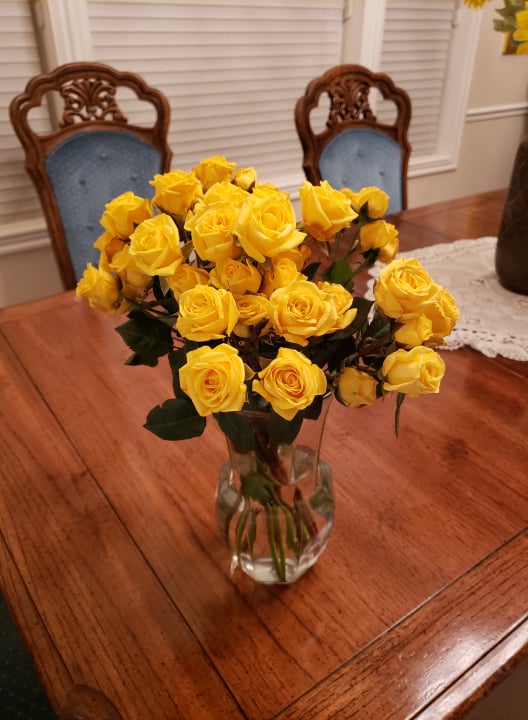
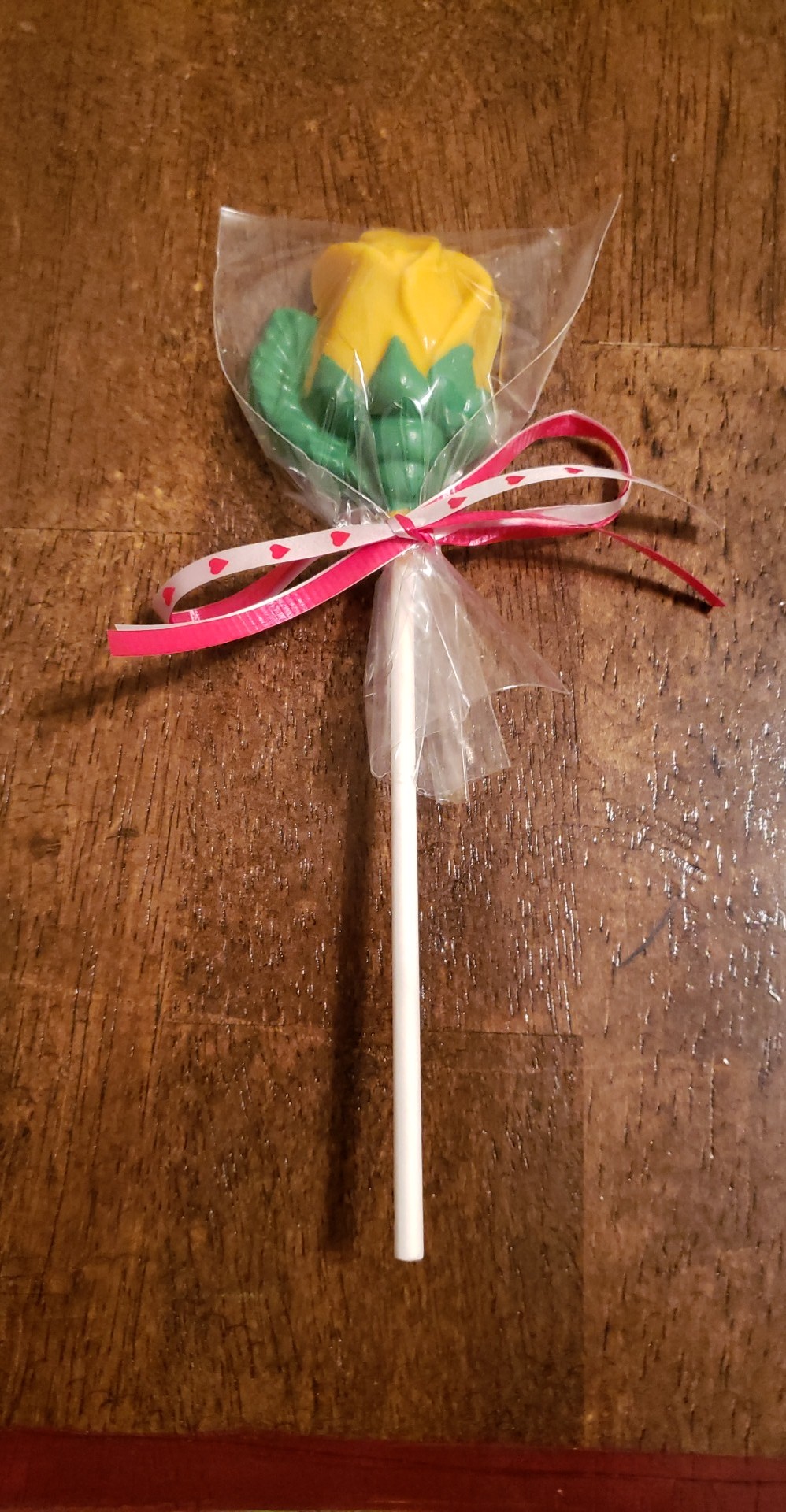
Valentine’s Day is not my favorite holiday: too many painful memories and unrealized dreams.  Though many couples are successful, for me, at 57, the intimate romantic logical vulnerable safe knitting together of two lives seems like an impossibility.  The fabric feels always dangerously close to fraying.  But Mom and Dad have made it work for 63 years, including their courtship.  To celebrate the day, they teetered to the chocolate cottage down the street and bought each other some goodies—for Dad, a box of sugar-free chocolate cherries—for Mom, a one-pound log of rocky road!  Dad also brought home two dozen yellow roses for Mom, her favorite color.  Mom called me at work to wish me a happy Valentine’s Day and to invite me to go to dinner with them. “This is your romantic day,” I demurred.  “You and Dad should enjoy dinner for two.  I’d be a third wheel.”  “Nonsense,” she rebuffed.  “We’d love to have you with us.  We’re a family!”  In the end, I proved useful, carrying plates and drinks and silverware, helping Dad into and out of his seat.  A cheerful vibrant pony-tailed server about my age waited on us.  I could not help but wonder about her circumstances.  Ever friendly, Mom asked her if she had children.  “I have six!” the woman enthused.  Her oldest is serving our Church as a missionary in Costa Rica.  Several of my children served such two-year missions, in Oklahoma, Florida, California, and Mozambique (in Portuguese-speaking southeast Africa).  We had that in common.  I do not know if she is married, but she was waiting tables, and I was being waited upon, and I was with my parents, and we were surrounded by scores of listening people.  Enjoying our meals, Dad reminisced about when his mother worked as a waitress and janitor.  She worked at night cleaning the Kearns building downtown Salt Lake City during World War II.  As a seven-year-old, Dad would accompany her and empty the waste baskets.  The foreman arrived to give Dora her pay.  Dad informed the man he had worked too, and where was his pay?  Without meanness, the man picked up a pencil from a desk and handed it to Dad: “Here’s your pay, little man.”  Dad had thought it “chintzy” pay for the work.  Not to be chintzy in turn, he left a nice tip for the cheerful vibrant mother of six.  “She has a family to support.”  Walking slowly to the car, Mom thanked me for taking her and Dad to dinner.  “I should be thanking you,” I answered.  “Thank you for including me in your Valentine’s Day.”  Back at home, I climbed the stairs to my home office.  On my laptop rested a yellow chocolate rose lollipop, with a ribbon bow, a gift from my vibrant cheerful mother.

Courage at Twilight: Wild Asparagus

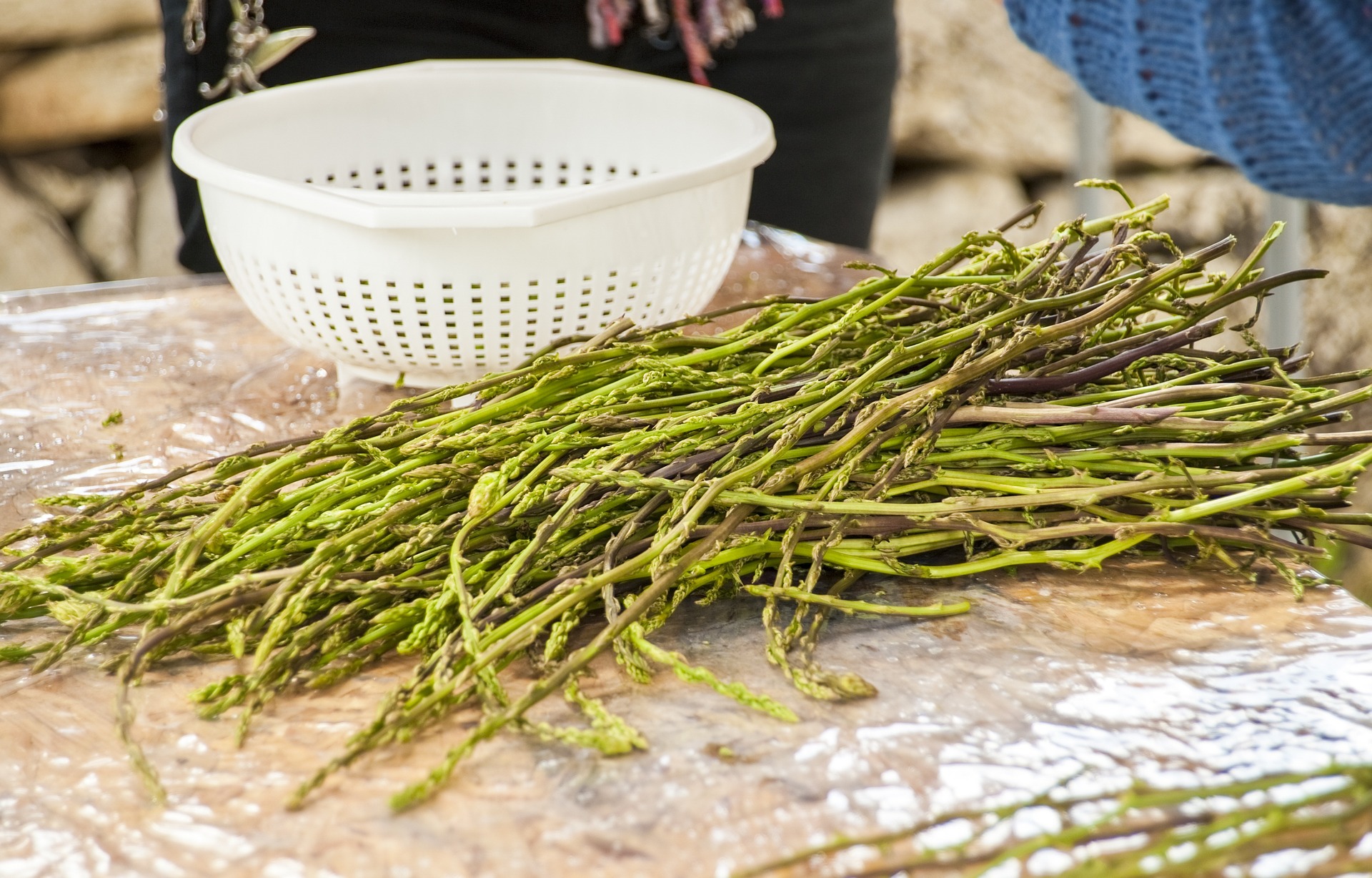
Dad stood hunched over the kitchen sink snapping the bases off the thick asparagus stalks, tossing them in the pan.  I cannot see asparagus without remembering the walk through the woods to the grassy field between the forest and the highway in New Jersey where the wild asparagus grew.  Mom carried the basket.  We children searched randomly for the thin green three-foot monoliths and snapped the stalks at the base and laid them tenderly in her basket.  Mom had trained our eye.  And I cannot remember that asparagus field without remembering the thick blackberry thickets along the same highway in New Jersey where we picked blackberries by the bucketful and took them home to boil with sugar and pectin, straining out the infinitude of stony seeds, pouring deep purple goo into pint jars, topping each with a quarter-inch of hot paraffin wax to seal the jars against pathogens.  That black blackberry jam tasted so delicious on crispy English muffins toasted brown in the broiler.  And I cannot remember that blackberry jam without remembering the asparagus walk and how we came home covered in ticks and never again took that wild asparagus walk.  I still love blackberry jam.

(Image above by Christian Bueltemann from Pixabay.)

Wild asparagus in long and spindly:

(Image by DianaRuff from Pixabay.)

Courage at Twilight: Fig and Date Bread

Burt Brothers called to tell us what the repair would cost. We had worried the cost would be higher.  When I poured the windshield wiper fluid in the reservoir the afternoon before, the fluid gushed out onto the driveway.  I struggled to remove the heavy battery so I could see the reservoir and its tubing, and found both tubes (to front and rear wipers) broken in the same place.  I left small pieces of my finger behind reinstalling the battery.  The service project the next morning had caught my eye on Facebook, on the page I follow about the Jordan River, where I kayak and cycle.  But the event appeared to not catch many other eyes, for only two volunteers came, plus the Jordan River Commission Executive Director, who dispensed gloves, trash bags, and garbage pincers.  Our goal was to bag all the garbage at the river-side park before the wind blew it into the river.  I have kayaked around huge floating masses of flotsam on the river, some growing their own vegetation.  The Director thanked me for coming, dispensed some tips about good kayak launches for avoiding dams and portages, and handed me trail mix and fruit snacks.  Returning home, Mom and Dad and I drove two cars to drop off Dad’s faithful Suburban at the garage to repair the tubes, and we continued on in Mom’s trusty Legacy to the grocery store for the weekly shopping.  I felt happy as we arrived at Smith’s, but left the store an anxiety-ridden wreck.  I lost Dad in the store—he was not sitting at the deli where I usually find him when I have finished shopping.  I found him with Mom funneling into Luana’s check-out line—she is their favorite checker, and she always orders me to “take good care of them.”  “I’ll do my best,” I always promise.  Dad began trembling behind his cart—“I’m not going to make it, Rog,” he said.  “I need to sit down—now.”  Luana sent a bagger running for a chair he could not find, while another bagger drove up with a motorized cart onto which Dad collapsed.  “Nelson,” Luana chided (partly on my behalf, since she could get away with it), “the next time you come, you either will use this motorized cart, or you will not come at all!”  Dad nodded and smiled sheepishly, relieved just to be sitting.  He took to the cart naturally, motoring easily to the car.  Unloading the week’s groceries, Burt Brothers called to say Dad’s car was already fixed.  With Dad sitting in his recliner eating his onion and Swiss on multi-grain bread, Mom and I raced off to retrieve the faithful Suburban, good as new, and for a fair price, before the store closed at 5:00.  Mom crowed that she and I were the heroes of the day for retrieving the repaired Suburban.  We celebrated with pizza, salad, and Paul Hollywood’s beautiful fig and date bread.

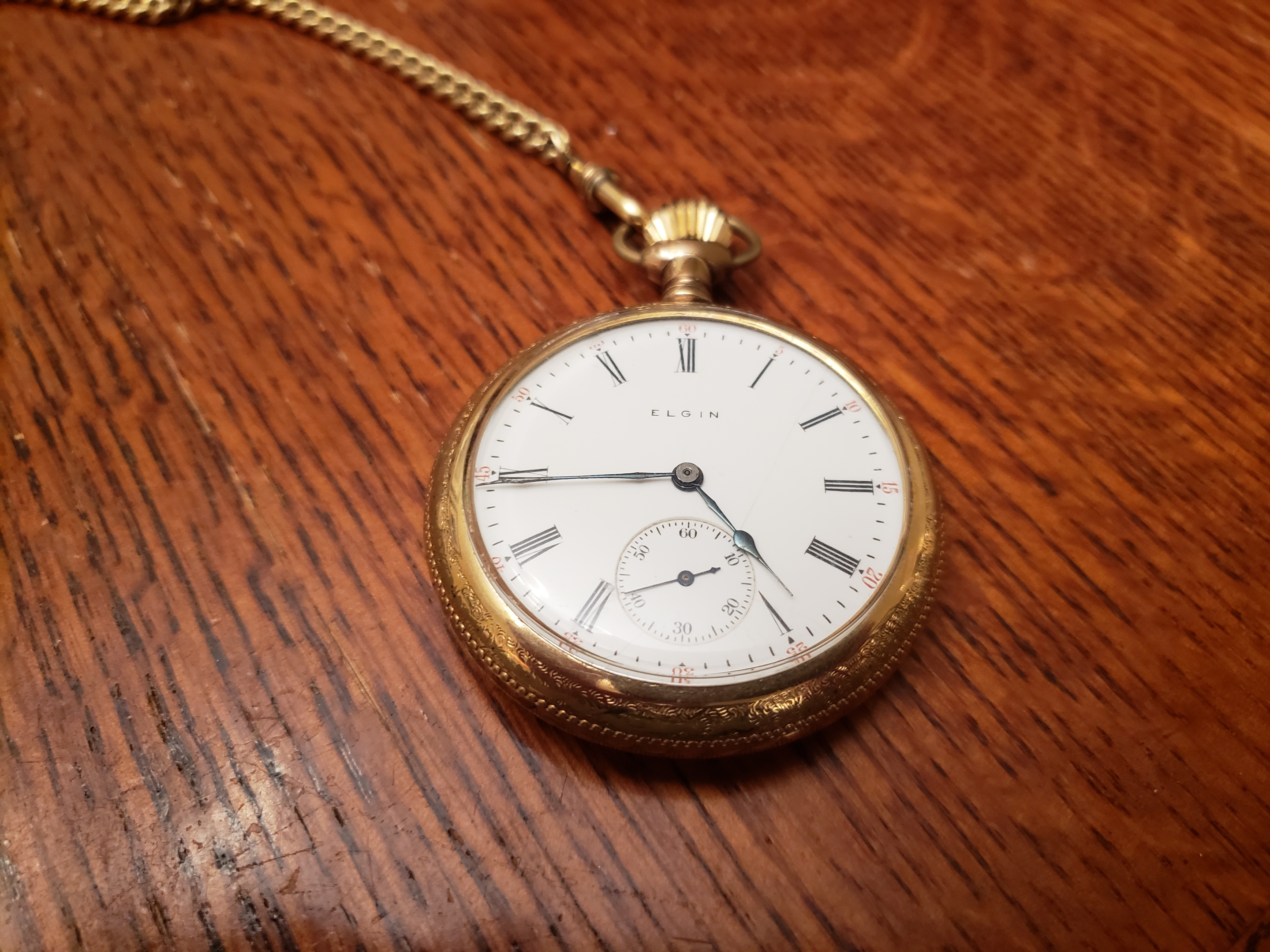
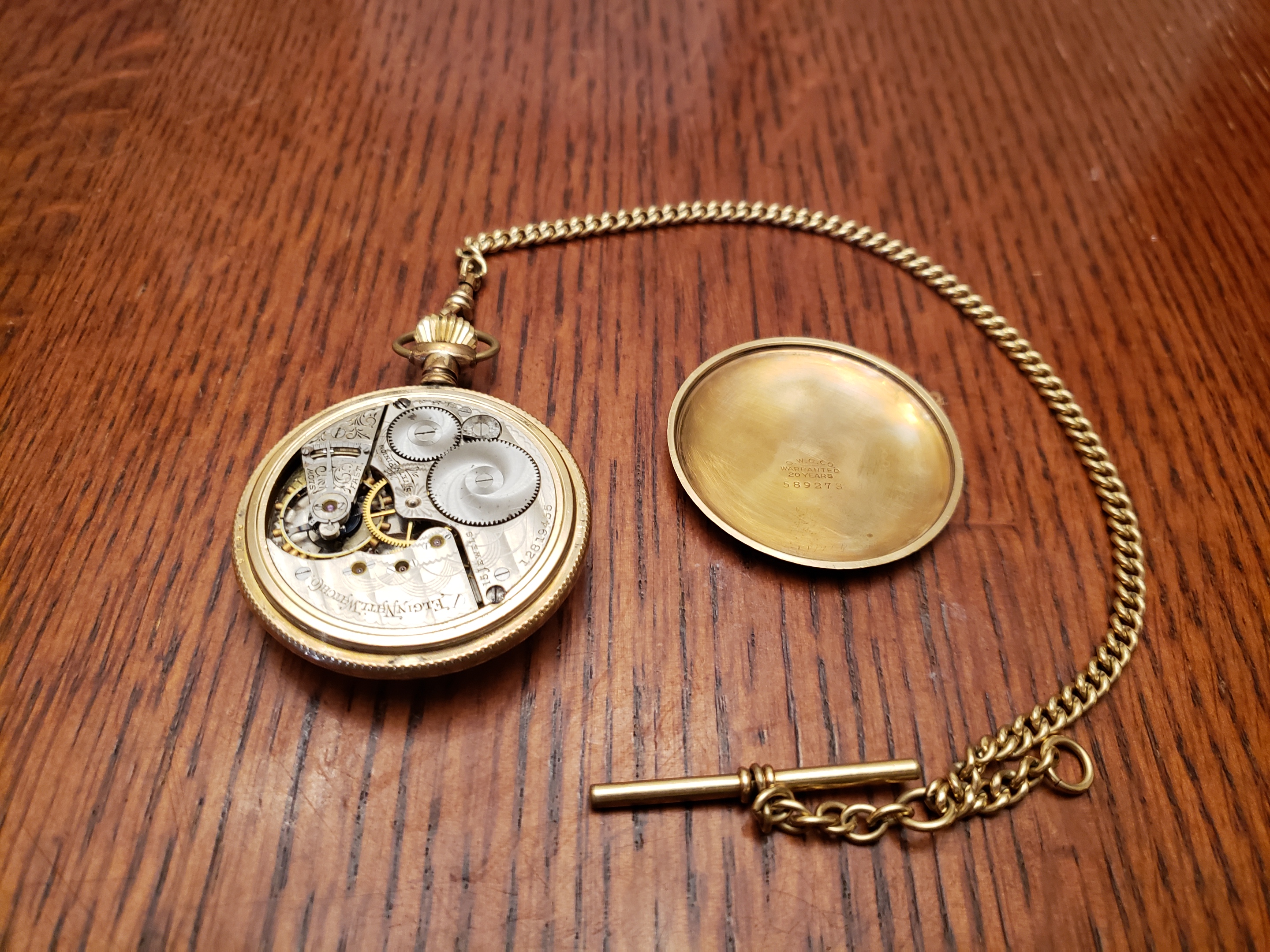
Courage at Twilight: Three Old Cars and a Pocket Watch

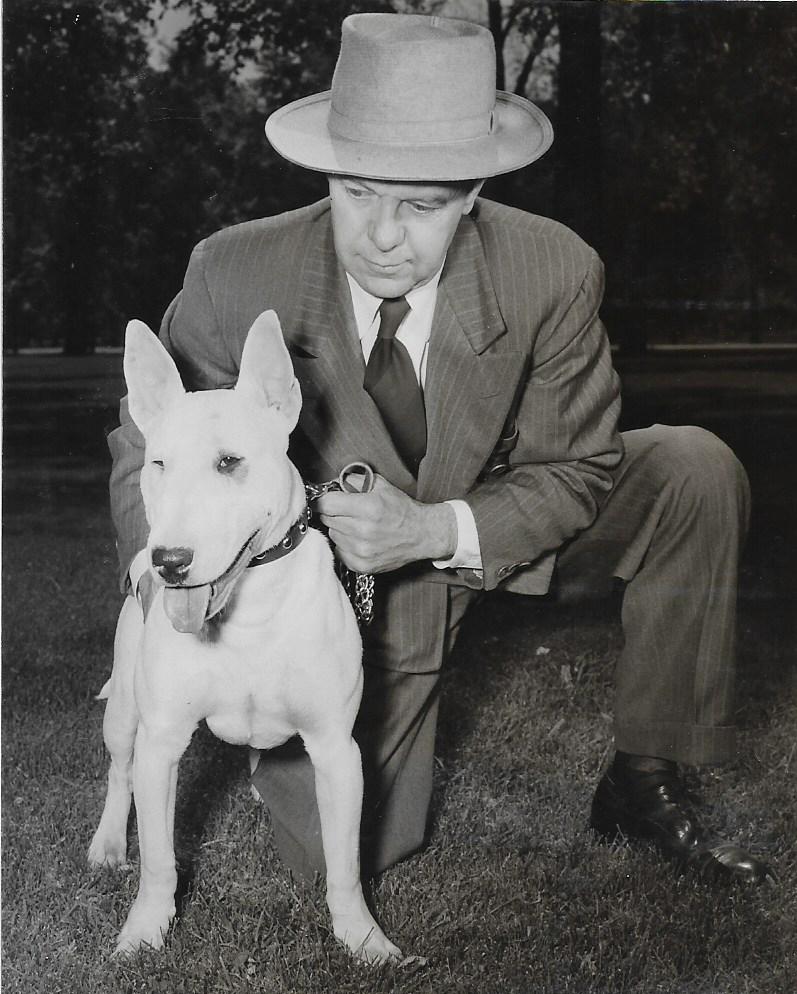
Dad went to his father Owen’s house soon after Owen died.  Living so many years alone, Owen had accumulated hordes of stuff which filled the house in choking piles and stacks.  Dad emptied and cleaned the house, taking truck load after truck load to the dump.  He felt that cleaning the house was a way to give his father deserved dignity after death.  Owen’s brothers had told Dad that the house and everything in it belong to them, not to Owen or his children.  Dad had acceded without argument, and had asked if it were acceptable for him to clean the house, to which they agreed.  Owen did not have a will, so Dad appointed himself personal representative of the paltry estate.  Owen had a small life insurance policy, the proceeds of which Dad gave to his mother to pay delinquent utility bills.  Owen had owned three old cars.  Probate law at the time allowed for the disposition of one car without going through probate.  Dad spoke with the clerk of the probate court, explained that Owen’s only assets consisted of these three junk cars, and asked if he really needed to go through probate court to get rid of them.  After a moment’s reflection, the kindly court clerk suggested the law could be read to allow for disposition of all three cars without involving probate, so long as the cars were disposed of one at a time.  So, dad quietly sold the cars.   A new law student, Dad mentioned this procedure to a law professor, who thought it a novel legal interpretation.  Owen’s horse Bomber and prize-winning bull terriers had long since been sold.  Left to Dad was Owen’s 1907 Elgin pocket watch.  I have seen and held that watch—it is a work of art.  Left to us now of Owen are the photos and the stories, which I am grateful to have.  Though grandpa Owen died three years before I was born, I love him through those stories and photos.


Courage at Twilight: A Single Tear

I sat on the edge of Mom’s bed. She was 35 years old.  And I was 10.  A single tear coursed slowly down her cheek as she confided to me in that quiet private place that her father had died.  My grandfather Wallace.  We had lived with Wallace and Dorothy a scant two years earlier, where I started 3rd grade while we waited three months for our lagging visas.  Dad had been “called” by our church to “serve” as a “mission president” in Brazil.  Translation: Mom and Dad had been invited to work on a volunteer basis leading a group of younger volunteer proselyting missionaries sharing the Gospel of Jesus, as representatives of the Church of Jesus Christ of Latter-day Saints.  Dad took a three-year leave of absence from a generous Johnson and Johnson, and Mom and Dad and three young children, including me, made the long voyage to São Paulo, Brazil.  It was October 1972.  We left behind the tear-stained face of grandpa Wallace, locked in mortal battle with non-Hodgkin lymphoma.  Dorothy had tried every healing remedy she heard of, including a grape juice diet—after two weeks, her sick husband threw the offered juice across the kitchen in disgust.  Wallace fought hard to stay alive until Mom returned home to Utah, and he almost made it.  He passed away in April 1975, and we returned in July.  Mom did not travel to the funeral, deciding instead to dedicate herself to the mission and to her young family, which then included a new baby.  As I sat on the edge of Mom’s bed and watched the lone tear drip down her face, I felt the peaceful warm elixir of great sadness mixed with great hope, the sadness of love and loss, and the hope of healing in Jesus and the promised reunion of resurrection.  During his 62 years, Wally (as his friends called him) had organized the construction of church buildings by church members, had led a congregation of thousands as a lay minister, had driven a milk truck and school bus and hay wagon, had picked tomatoes and peas and sugar beets for church welfare storehouses, had been “daddy” to my mommy.  Though I last saw his face when I was eight years old, I do not remember his tears of knowing good-bye, but rather his gentle playfulness, his chicken coops and carrot rows and hand-pumped well, and his scruffy smile at me upon his lap.
Pictured above: my grandpa Wally in 1962.


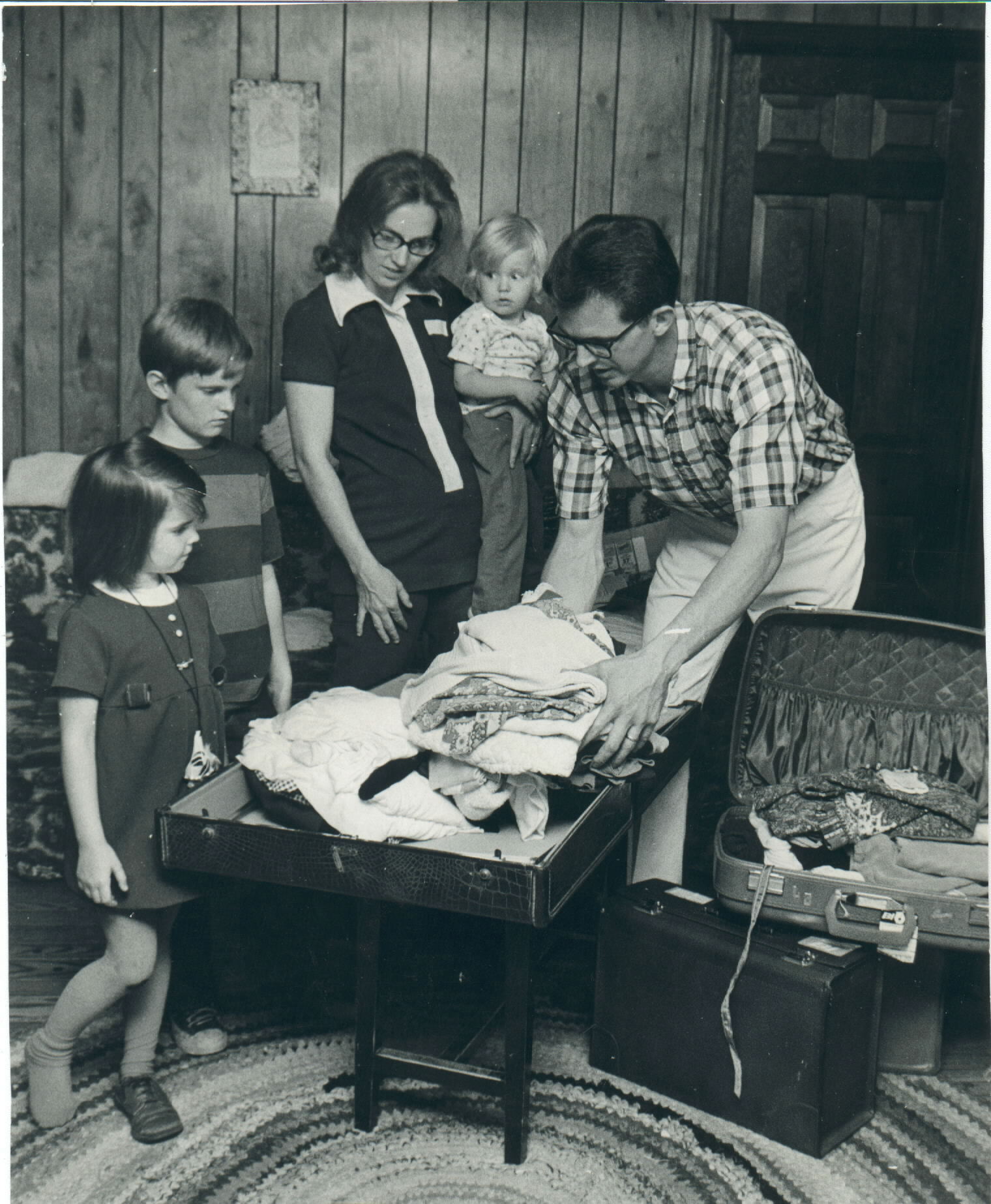
My family preparing to leave for Brazil in 1972.


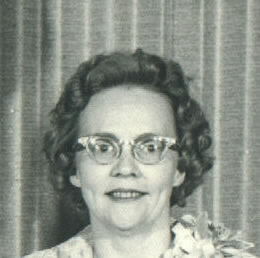
My grandma Dorothy in 1962.

Courage at Twilight: A Can of Stew

Dad’s father, Owen, retired early from Utah Oil Company. He lived in his parents’ home, an old, run down, small shack of a shelter.  He paid rent to his siblings.  The house had few amenities.  It had no water heater, so he bathed in cold water.  The stove did not work, so he cooked on a hot plate.  Only the top oven element worked, so he baked under the broiler.  The toilet water tank was broken, so he flushed by pouring water from a bucket into the bowl.  He had no clothes washer or dryer.  The heat for the house came from a coal boiler, which worked only after building a fire hot enough to burn the coal—often, the house had no heat.  Owen lived alone.  He made all his own meals, which included no fresh vegetables or fruits.  He washed his underclothing and socks in a bucket of cold sudsy water agitated with a toilet plunger; his shirts he took to the dry cleaner.  In his early 20s, Dad visited his father one afternoon, and Owen asked if Dad had any money with him.  Yes, Dad said, some.  Father asked son to go to Safeway, please, and buy him a can of stew, confessing he had not eaten for three days, for he had no money.  He had eaten only oatmeal for days before that, until the oats ran out, and he had not eaten anything since.  When he did have money for food, his staple diet consisted of bacon and eggs and canned goods.  (Where were Owen’s well-to-do brothers? I wondered with a trace of anger.)  As a result of these privations and habits, Owen’s health deteriorated.  One afternoon, he called Dad to take him to the hospital—he felt very poorly—where the doctor ordered a chest x-ray.  “Take a deep breath and hold,” the radiology nurse instructed.  Owen growled back, “What the hell do you think I’m here for?!”  He was at the hospital because he could not do exactly what the nurse wanted him to do: breathe deeply.  He felt he could hardly breathe at all.  Dad got his father settled in the hospital that night, and told him he would be back the next morning to check on him.  Ten minutes after arriving at home, the hospital called: his father, Owen, was dead.  Owen was only 59.  Owen’s father, Nelson, died at age 62, also of heart disease.  Dad and his brother Bill sat in the hospital room with their father’s body, late into the evening.  They both felt a spirit presence in the room, and commented softly to each other about it—somehow, they knew their father had stayed with them in that room in their grief.  In a moment, they sensed that Owen had left to go where the spirits of all good, humble, broken men and women go.  After graduate school, Dad took up jogging, and ate nutritious foods, so he would not have to die at age 60 of heart disease.  Now, at age 86, he remarked to me sadly, “I feel sorry for my father.”  I shudder to remember that I am the same age as Owen when he died.  How grateful and fortunate I am to have my father still alive, still a pillar of strength and love for the family.

Pictured above: My grandfather Owen with Dad (b. 1935; this photo c. 1939)


My grandfather Owen Nelson Baker, Sr. (1901-1960)


My great-grandfather, Nelson Baker (1871-1933)

Comfort in Convalescence

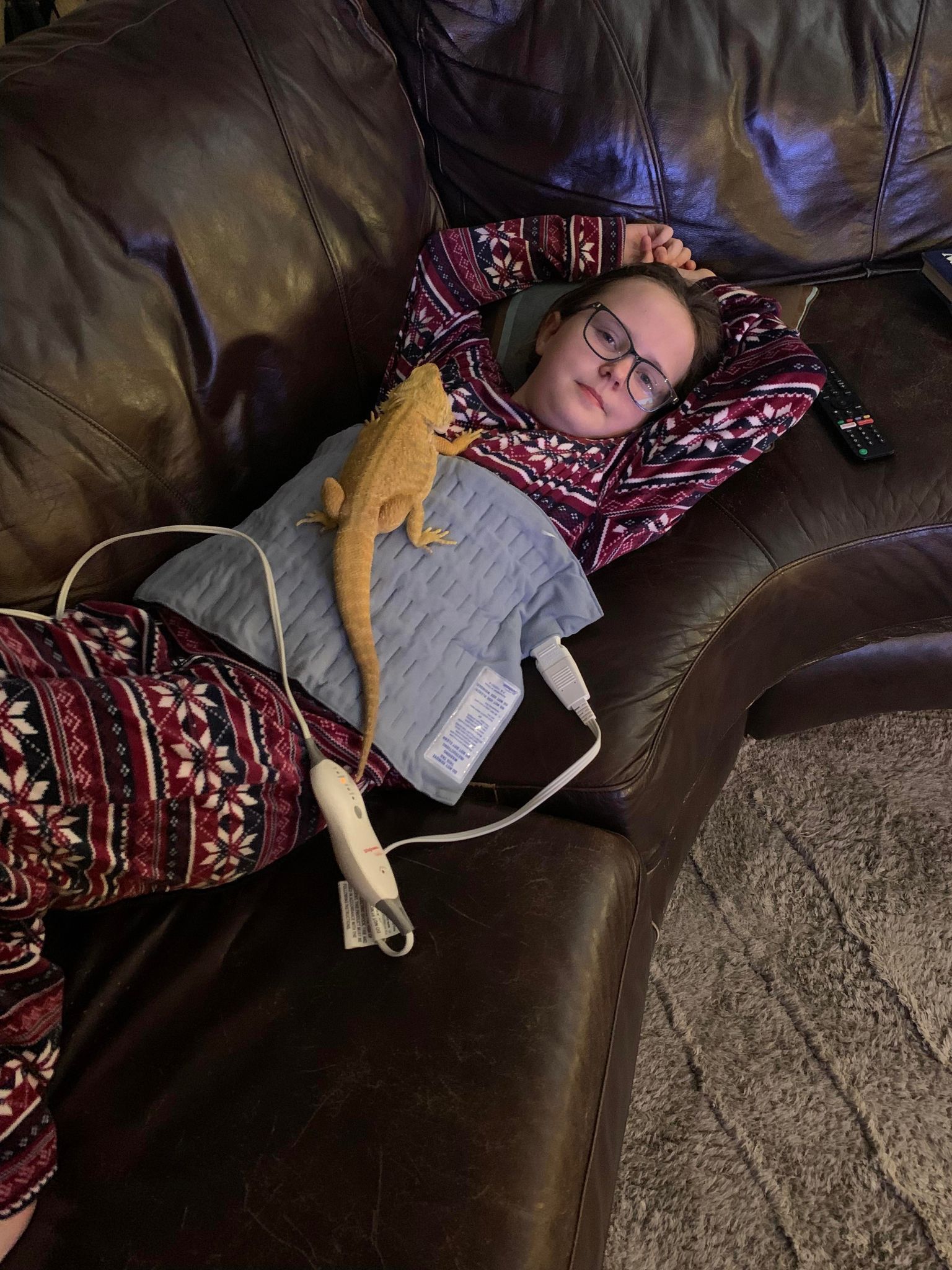
Amy has been sick and home from school.  A heating pad helped calm and comfort her tummy.  And Sunshine was happy to hang out on that heat, adding his comforting presence to her convalescence.

Courage at Twilight: Pianos

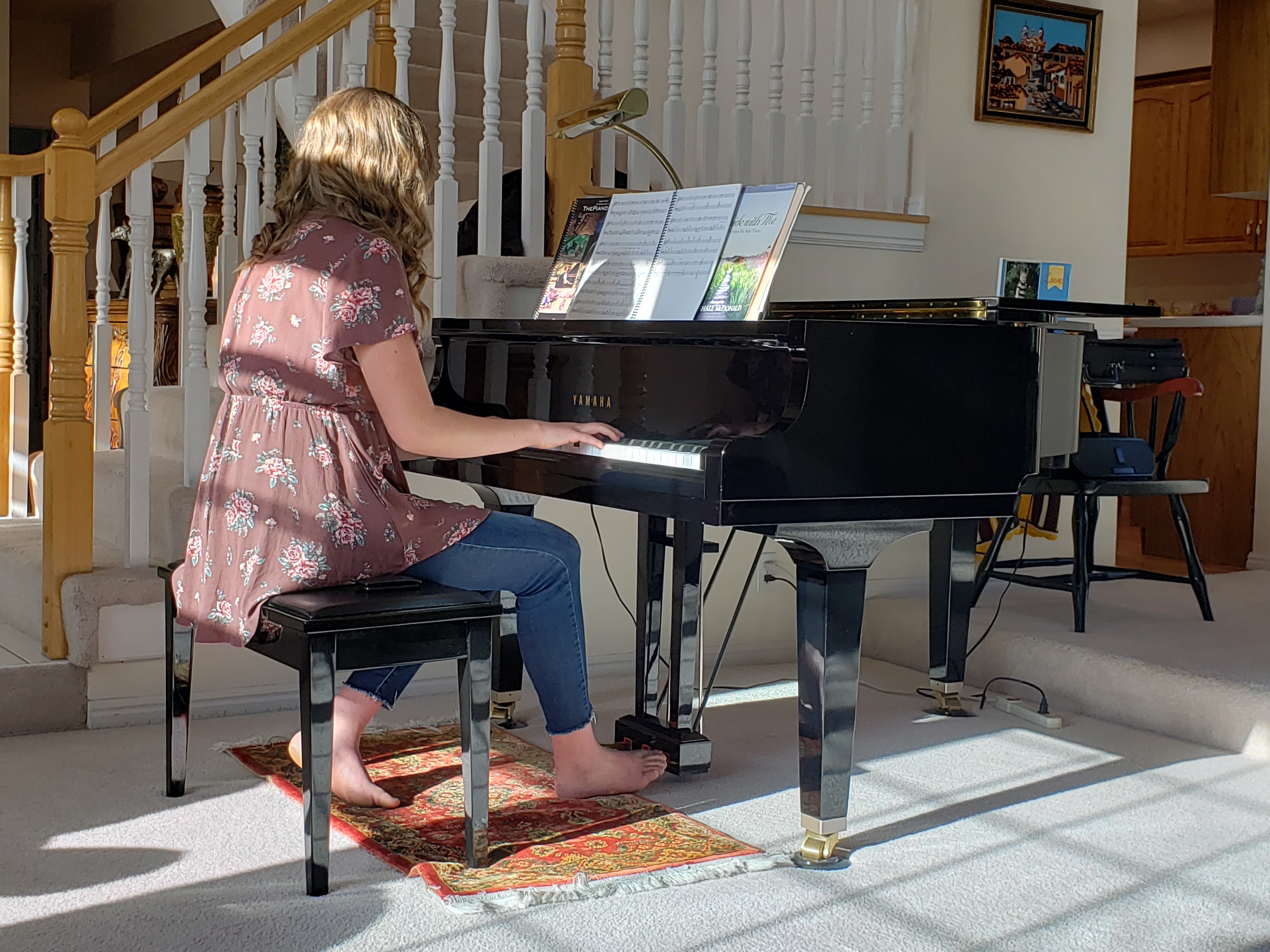
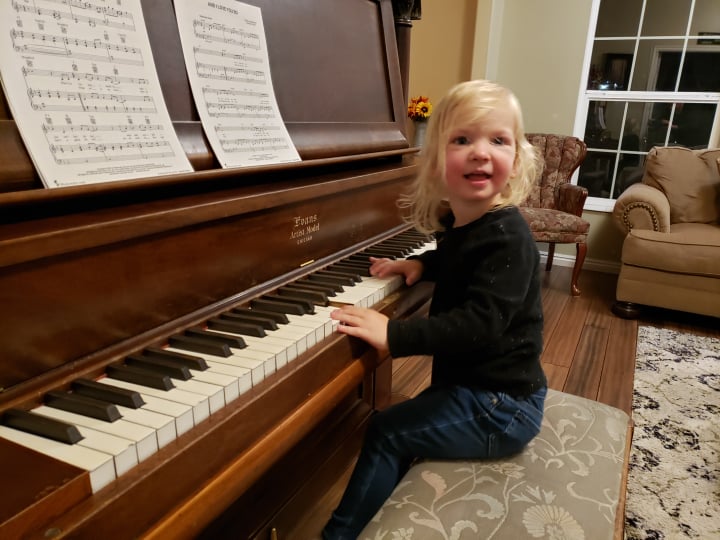
My daughter Hannah came to stay the night with Mom and Dad and me. We baked mince pies and banana chocolate chip muffins; we watched an episode of the delightful new All Creatures Great and Small; we birthday shopped around the valley; she played Mom’s baby grand piano.  When she began to play on Friday evening, Mom and Dad both quietly stood from their family room recliners and shuffled into the living room to hear her play, so beautifully, Clair de Lune, by Claude Debussy.  Her touch and phrasing added to the piece’s natural sublimity.  After baking on Saturday morning, Hannah played piano variations of our Church’s sacred hymns.  Dad, stepping down the stairs in time to give her a good-bye hug, praised her: “I heard and loved every single note you played: so pretty.”  I took piano lessons until I was 17, mastering Debussy’s Girl with the Flaxen Hair, another of history’s most beautiful compositions.  Practicing on the New Jersey baby grand was sometimes painful for the other family members as I struggled hundreds of times through difficult passages.  Hannah’s mother found a 1911 upright grand, which had survived a fire and been dropped on a corner, for $500, and I plunked its keys for over 20 years.  On that piano I dreamed up dozens of lullabies: gifts to my children.  I have told the story of their composition elsewhere on this blog.  Living now with Mom and Dad, for some reason I do not play the piano.  Perhaps the thought of creating music is a gray shadow of older years when my heart carried music.  Perhaps I have lost my touch and talent.  Perhaps I am emotionally empty.  But one evening Mom asked me to play.  I felt somewhat startled, both at the thought of playing, and at realizing I had not played for six months.  I sat down with my lullaby book and played and sang the old songs that opened my heart then and now.

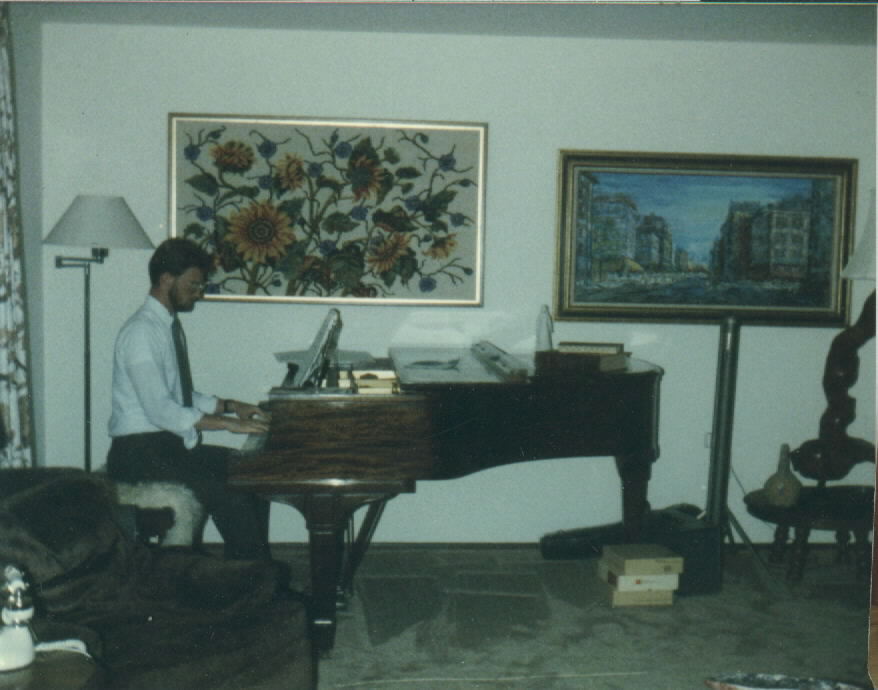
Pictured above: Yours Truly playing the piano in about 1986.

Pictured below: Hannah and Lila recently playing Mom’s baby grand.  My grandmother Dorothy played the piano, as does Mom.  If Lila learns, she will be the fifth generation of pianists in the family.

Courage at Twilight: Sleds and Toboggans

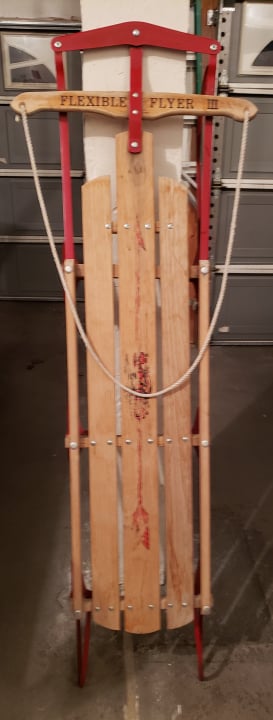
On Christmas Eve 1941, Dora shooed Nelson (barely turned 6) and his siblings, Louise (7) and Bill (4) up to bed: “Santa will not come until after you are in your beds asleep.” After sleeping for some time, Nelson awoke and, thinking it was morning, woke his siblings: “It’s Christmas morning,” he whispered.  “It’s time to go downstairs.”  In fact, Nelson had awoken after being asleep for a very short time, perhaps one-half hour.  The children stepped quietly down the stairs to see the presents Santa had left for them under the Christmas tree.  Instead, they saw their mother putting presents under the tree.  The main object they observed was a new Flexible Flyer sled.  Dora turned from the tree and saw the children spying from the stairs.  “You get back upstairs and go to sleep!” she bellowed.  When morning had really come, the children came down the stairs to see their new sled.  Christmas night had brought new snow, which the morning’s cars had packed down on the Millcreek Canyon road.  Dora bundled the children up and drove them to the top of a straight portion of the inclined road.  She instructed the children that she would drive to the bottom of the hill and signal when they could safely launch.  From the bottom of the hill, after the several cars had passed, she waved at the children, and they took turns flying down the icy road on their new sled.  Whichever child had sledded down would pull the sled back up the road.  Bill, being small, had the benefit of sliding down on each run and being pulled back up the hill by his older sister or brother.  Sometimes a car would begin to drive up the road after the sled run had begun, and the rider would have to steer off the road to avoid the car.  Thirty years later, Mom and Dad bought a Flexible Flyer for my siblings and me, and we passed many shrill happy hours racing down the hill at Johnson Park, in Piscataway, New Jersey.  Whether sitting or prone, we could twist the cross-bar to navigate handily around tree trunks, though once Dad took us down the hill on an old wood toboggan that did not steer well and he crashed us into a tree.  We all tumbled off, thrilled with the adventure and mishap, but sad for the cracked toboggan.

Pictured above: the Baker Flexible Flyer, still in use after 50 years.

Courage at Twilight: Lemon Cupcakes with Kids

Two loaves of bread were rising—different recipes—and the oven was preheating to 425. My son Brian had brought his family for a weekend visit; he and Avery are both delightful adults.  And of course, my granddaughter Lila is one of the great joys of my advancing life.  Gabe (age 3) had come over to play with Lila (age 2) for a couple of hours.  After playing Legos and blocks and hide-and-seek for a while, he importuned, “Can we bake?”  I already had two bakes going, and did not think I could handle a third.  But Gabe asked so sweetly and sincerely that I could not say no.  “Okay,” I said seriously, “but we can’t make two cupcake recipes—we can’t make real cupcakes from my recipe book and your cupcakes from your imagination.  If we’re going to bake cupcakes, we’re going to follow the recipe.”  Sensing my resolve, he nodded his consent.  He and Lila sat on bar stools at the kitchen island.  They each measured out and poured into the bowl the various ingredients, with my hands guiding theirs: flour, sugar, lemon zest, baking powder, milk, melted butter, and eggs—Gabe cracked the eggs expertly, with not a speck of shell escaping.  He did politely insist on one imagination ingredient, which actually mixed in perfectly: colored confectionary sprinkles.  Gabe and I held the mixer together, but Lila declined, not liking loud machines like vacuum cleaners and blenders and electric beaters.  But they wanted to be, and were, involved in every step, including licking the beaters and spoons.  Mom and Dad looked on in amusement and adoration.  After the children placed the cupcake liners into the tin cups, we carefully dolloped the batter into the liners and slipped the tray into 350 degrees.  While the cupcakes baked, we mixed the icing, made from a lot of powdered sugar, a little milk, and the juice of one lemon.  How proud the children were of their iced cupcakes, excitedly licking the tangy icing off the multi-color cakes before biting in.  Mom and Dad and I enjoyed our cupcake, too.  An hour prior, I had thought I did not have the energy or patience to bake cupcakes with two little children while simultaneously baking break.  With the cupcakes done and decorated, and devoured, I realized that the increased tenderness I felt for them, and my lifted happy spirits, would have gone tragically unexperienced had I demurred.  As it is, I will always remember baking lemon cupcakes with Lila and Gabe, and I hope they will remember baking lemon cupcakes with me.

Courage at Twilight: A “New” Bicycle

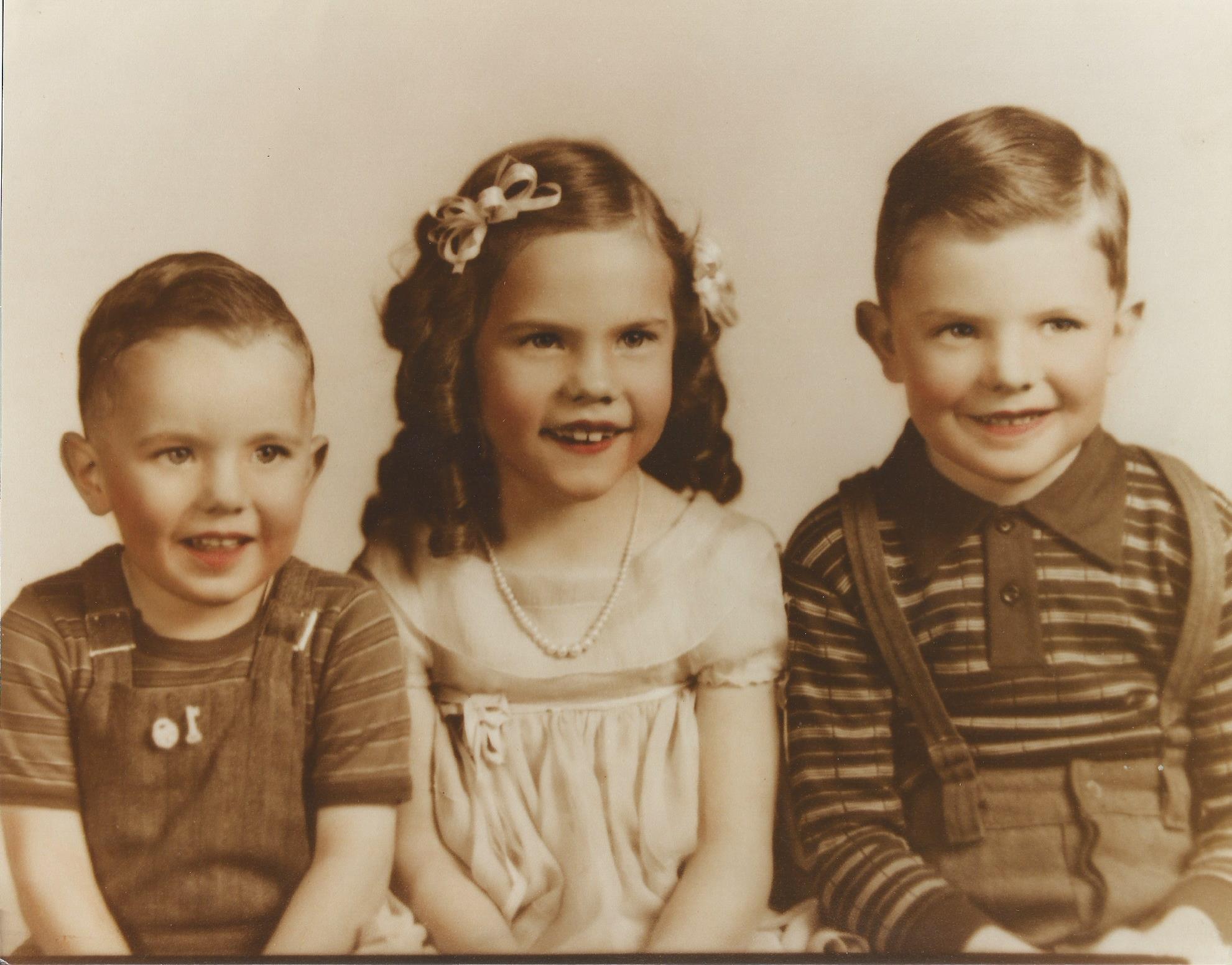
Dad and his sister Louise and brother Bill had been telling their mother, Dora, that they wanted a bicycle for Christmas.  Other children in the neighborhood had bicycles, but Dad’s family did not have a bicycle, so they asked their mother for one.  Dora acquired an old bicycle for their Christmas, but she told them they could not ride it until they painted it, because she did not want anyone to know that it was used.  They rode it anyway that very Christmas day.  But later they did paint the bicycle from a small can of bright red paint.  The man at the paint store told them to stir and stir and stir the paint, which they did obediently for a long time.  With the children’s paint job, the bicycle still did not look new—but it certainly was red.  Soon after they started riding the bicycle, something punctured an innertube, and the tire went flat.  The children walked the bicycle to the service station and asked the attendant how to pump up a bike tire.  The man took the nozzle of the air compressor and showed them how to push it onto the stem of the inner tube that poked out from the rim.  But he neglected to tell them how long to pump the air.  When the man left, they put the compressor nozzle on the stem and simply held it there, air pumping all the while.  They held the nozzle in place until the tire suddenly exploded.  Dejected, they walked the bicycle home and told their mother that the tire blew up.  “What do you mean the tire blew up?” she barked.  Of course, she helped them find another tube for the tire.  Dad taught Bill how to ride the bicycle, but he did not think to teach Bill how to stop the bicycle.  Dad got Bill going down the inclined street, and Bill rode faster and faster on his right-angle approach to the busiest road in town: State Street.  “How do I stop?  How do I stop?!” Bill began hollering.  Fortunately, Bill rode into a fence and fell over, unhurt, instead of riding out into certain death on State Street.

(Pictured above, right to left: Dad, Louise, Bill, circa 1950.)

Courage at Twilight: Cleansed and Renewed

Every conscientious parent knows what it is like to feel exhausted and empty from continual grinding parenting, whether you’ve one child or ten. I remember feeling mind-numbingly tired, and seeing the dinner dishes still needing to be washed, and washing them, and it is close to midnight, and the baby is sick and crying and throwing up.  And I am worried to death about the baby, and about my children having friends and finding God for themselves and learning to drive, and about the $200 million lawsuit waiting for me the next morning, and every morning, for years, and though the claims are specious, I still have to fight like my life depends upon it, for years and years.  And somehow we make it through, and suddenly we are attending high school graduations and weddings and birthday parties for pure little grandchildren just learning to smile and to walk and to talk, and the children are moving away.  I have raised seven children—and, of course, parents are never done being parents to their children.  My mother raised six children, at the time of this 2022 writing aged 57 to 41, and at age 82 she has not stopped being a mother.  Observing her children struggle with the challenges of parenthood, Mom related to me one late night in New Jersey, when she was still doing her household chores.  The television was on, broadcasting a PBS symphony orchestra concert, Gustav Mahler’s Symphony #1.  The beauty of the music and the performance—the first movement—suddenly gripped her and washed through her, and she wept and wept as the music played beautifully on.  She has forgotten the particular pains and worries of that day, but does remember that life was hard, and that she was feeling tired and overwhelmed and discouraged.  But after this experience of being moved by music, she felt cleansed, renewed, strengthened, happier, and better able to carry on.  The loads remained just as heavy and tiresome, but her ability to carry them had increased.  Perhaps nothing is more important for a child than having parents who know how to renew their energy and strength so that they can again put on the parental yolk and redouble their efforts on behalf of those children.  And in the meantime, crank up the Mahler.

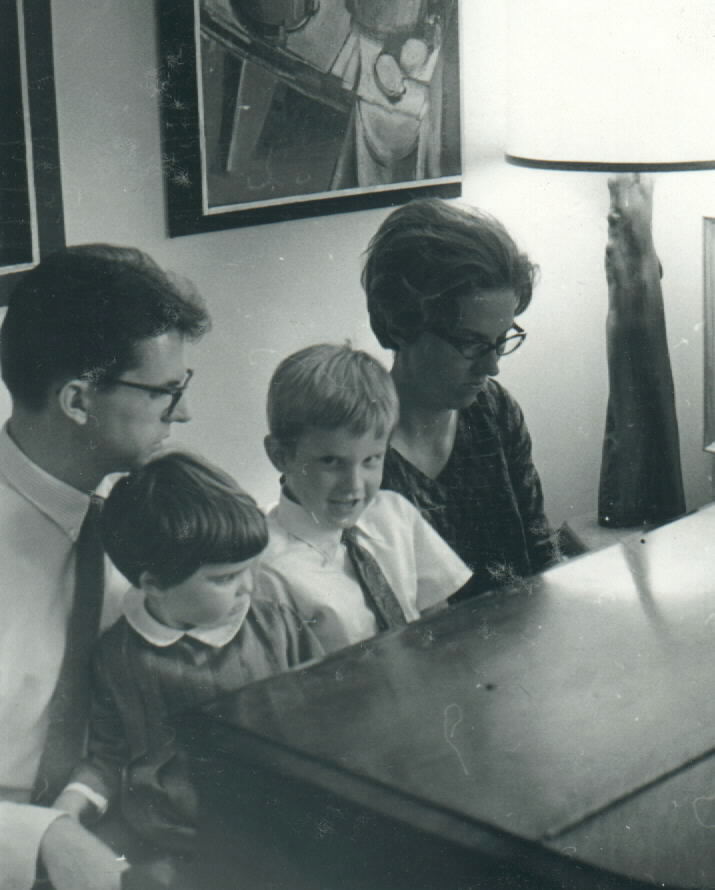
(Pictured above: the Baker family, circa 1969, with yours truly at the keyboard.)

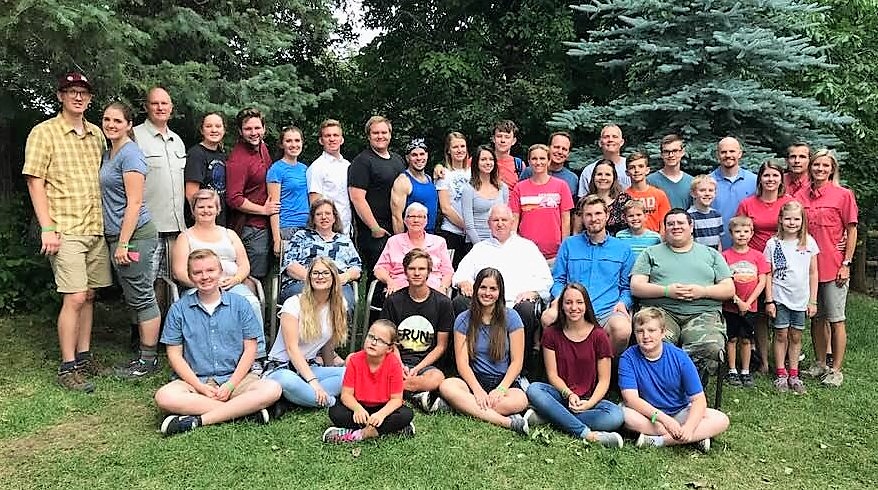
(Pictured below: a more recent gathering of the Baker clan.)

Courage at Twilight: A New Doll

After Mom turned six, in November 1945, her mother and father informed the children that there was no money for Christmas presents that year. The parents were sorrowful and resigned, while the children—Mom being the oldest—naturally felt disappointed.  Still, they were used to not having many material things, so the news was not a shock or a trauma, just a disappointment.  Though they were poor, they did not think of themselves as poor.  They did not have many possessions, but they were tender and loving with each other and enjoyed the richness of home and family, church and community, music and literature.  With this radiance, the children rapidly reconciled their disappointment and looked forward to Christmas morning nonetheless.  Christmas was still a happy, hopeful season.  Sauntering slipper-footed into the living room on Christmas morning, Mom saw a new doll in the corner, meant for her.  She joyfully picked up the doll, not having expected any gifts at all, and began to love it and play with it.  Soon, however, she discovered, with a sinking feeling, that the new doll was in fact last year’s doll, made up to look new.  Mom’s mother, Dorothy, had clipped locks of her own auburn hair and sewn them to a band, which she stitched to the doll’s head, concealing the band with a new little bonnet.  After her realization, Mom regrouped and was happy about her new doll, feeling gratitude for her mother’s efforts during a challenging era to provide for her and her younger siblings.  The orange and peanuts in her stocking added a measure of pleasure to the day.  Knowing Dorothy so well (she passed away at age 96), I was moved, thinking of her cutting off lengths of her own hair to make a gift for her little girl.  Of course, this was only one of infinite sacrifices Dorothy made for her children.  My mother, in turn, made infinite sacrifices for her children, as I have done for mine, and as my children are beginning to do for theirs.  And so it goes.

(Image by Christiane M. from Pixabay.  Sadly, no photo of Mom’s doll is known to exist.)

Courage at Twilight: A Warm Blanket and a Smile

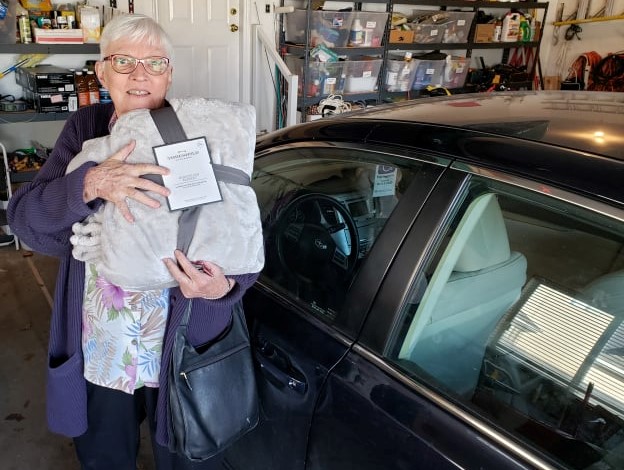
You may remember our homemade greeting cards made from pressed leaves and flower petals, with the message “You Are Loved” artistically rendered inside.  The cards were included in humanitarian hygiene packages sent to refugees around the world.  The same NGO, Lifting Hands International, combined with our local Church leaders to organize a blanket drive.  On a Saturday from 11:00 a.m. to 1:00 p.m., we could drop off new blankets, which would be distributed to refugees the world over.  After Mom announced told Dad and me that she wanted to participate, she and Dad drove off to Target.  Leaning heavily on their shopping carts, they shuffled the miles and miles to the back stacks of the bedding section.  Mom picked out a fluffy gray fleece, queen-sized, wrapped in a charcoal ribbon, and brought it home with a smile.  Before the day of the drive arrived, the community had already dropped off over 100 blankets.  At 11:00, Mom trundled off to her trusty Subaru, hugging her blanket, and drove off to make her contribution.  I felt very proud of her.  A blanket is a small thing.  A thousand blankets are a thousand small things.  And every small thing matters.  But there is nothing small about my mother’s heart.

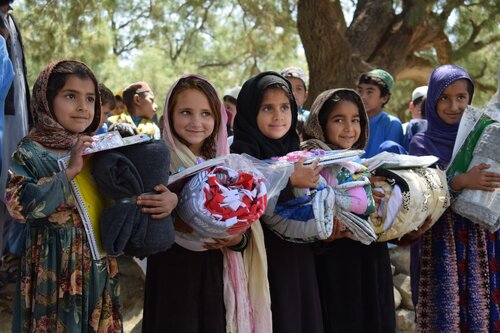
Afghan refugees with their new warm blankets.

(Photo from Lifting Hands International.  Used pursuant to the Fair Use doctrine.)

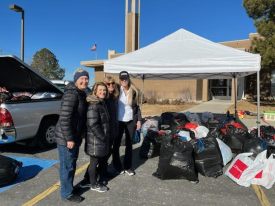
Blanket Drive Update: Lifting Hands International received 414 blankets from Mom’s community for Afghan refugees.  Here are photos of the drive organizers and blankets, used with permission.

Stake Blanket Drive2    Stake Blanket Drive1

Courage at Twilight: Butch Cassidy and the Sundance Kid


Whenever Dad says, “That reminds me of something,” I know a story is coming—a story I have heard many times before—a story as good on its fifth telling as on its first.  Some of my favorites are of his maternal Grandpa Greene.  William T. Greene, an immigrant from England, lived in Utah’s Great Basin in the first decade of the 20th Century, on a ranch on the Ute Indian Reservation, near the town of Vernal.  He was a sheriff there, and his philosophy toward outlaws was to make peace or make arrest.  If the outlaws would agree not to cause trouble in his jurisdiction, he would leave them alone.  If they made trouble, they went to jail.  Grandpa Greene knew Butch Cassidy and the Sundance Kid, but he never arrested them because they never caused him any trouble, and were even friendly to him.  In his old age, Grandpa Greene lived in the Salt Lake valley, in a two-room shack with no plumbing and no electricity and a wood stove for cooking and for heat.  Dad loved his grandpa.  As young boys, Dad and his brother Bill would ride their one bicycle, with Nelson pedaling, from 1700 South to 5900 South on 900 East—more than 40 city blocks—to see their Grandpa Greene.  He was their friend, and treated them as equals.  Dad had heard his sheriff-grandpa was good with a six-shooter pistol, and asked him about it.  Grandpa Greene answered, “You bet I was good.  When I was younger, I could shoot a silver dollar right out of the air.”  Dad’s uncle Forrest was an eye witness: Grandpa Greene would have someone flip a silver dollar high into the air, and he would draw and shoot a hole through it.  A true story.  Grandpa Greene taught Dad how to catch trout with his bare hands from the stream meandering through the meadow near the shack.  The technique involved wading quietly upstream, gently feeling under the bank for the tails of the trout.  Pointed upstream, the fish did not spook at the touch of Dad’s fingers.  He slowly moved both hands into position under the trout, and suddenly lifted it up against the bank’s underside, slipped his fingers into the gills, and brought the fish out, tossing it flopping onto the grass.  Dad grew so good at this technique that he once caught two trout at the same time, one in each hand.  His brother Bill was there, and affirmed the story.   A game warden stopped by one day and barked at Dad and Bill about what they were doing, and threatened to haul them off to jail for poaching.  It turns out he was a friend of Grandpa Greene, who had told the warden to give Dad and Bill a good scare as a practical joke.  One day, Dad caught an enormous fat native Brook trout, and ran proudly to show it to his grandpa.  Grandpa Greene exclaimed, “Hey!  Now that’s a trout!  Let’s cook it up for our breakfast!”  And he started a wood fire and fried the fish in butter and salt in his iron skillet.  That every child had a Grandpa Greene.


(Photo courtesy of the Conserve Wildlife Foundation of New Jersey.  Used pursuant to the Fair Use doctrine.)

Courage at Twilight: The Joy of Violins

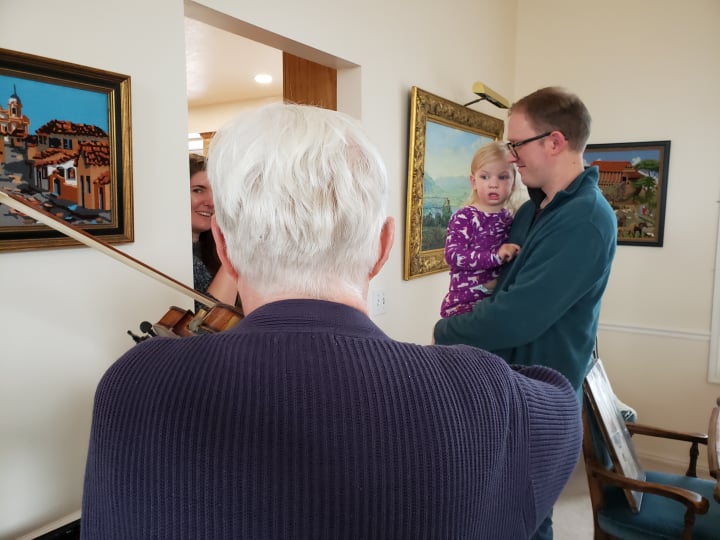
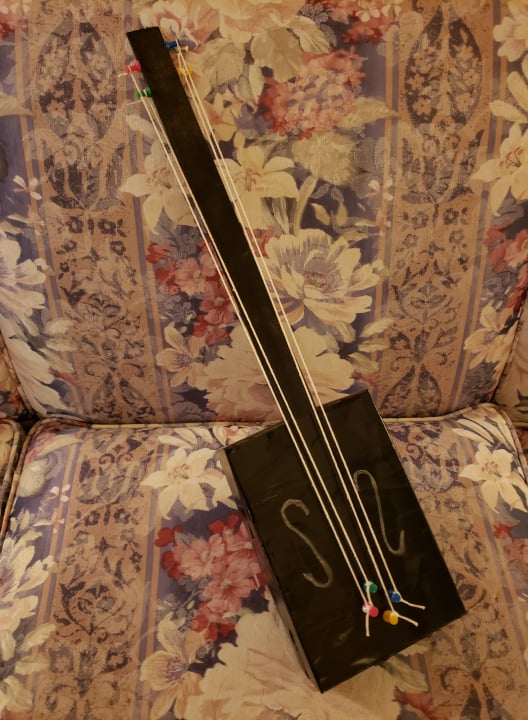
Mom’s elementary school music teacher Mr. Jeppesen hosted a music open house to which he invited all the children and their parents. One by one the teacher brought each child, including Mom, a 4th grader, to the piano where he sat.  “He was an older man, shorter, kind of hunched over.  He was a very good pianist, and he was very kind to me,” Mom remembered with fond appreciation.     Jeppesen plunked a few notes on the piano, and asked Mom to sing them.  The teacher then told Mom and her parents that she should play the violin.  Her father, Wallace, agreed, and took Mom to the music store to buy a very used violin, still at considerable expense for the struggling family.  Mom was a slight child, and the music store employee suggested a half-size or three-quarter-size violin.  Wallace said they would take a full-size violin, which is what Mom learned to play on, and grew into.  “We lived way out in the country, with no cultural advantages,” Mom explained about her joy to be playing the violin.  Sometime later, when Mom needed a better violin, Wallace found her one.  This is the violin she grew up with, played at the University of Utah, and took to Brazil in 1972 when she and Dad led a group of about 100 Church missionaries for three years.  At the end of their mission, they packed the violin in a shipping crate with other belongings, but upon opening the crate in New Jersey, the violin was gone.  The family pooled resources for Mom to purchase another violin.  With that instrument, she played in several community orchestras, including Highland Park (NJ), Bound Brook (NJ), Washington Square (NJ), and Murry (UT).  Covid-19 canceled rehearsals and concerts, and put an end to Mom’s public career.  She pulls out her violin once in a while, like during the Christmas holiday.  My granddaughter’s parents suggested Lila might like a violin, so I made one for her out of a cracker box, a yard stick, packing tape, spray paint, thumb tacks, and string.  And she loved it.  Pretending to stroke her strings with a red soda straw, Lila stood entranced as Mom played her real violin to her little great-granddaughter.  Mom just may have inspired another generation of Baker violinists.

Courage at Twilight: When Mom met Dad

At a family party, we asked Mom how she and Dad met. She related how she met him at an Institute dance in late 1959.  Institute is the name given by my Church for an organized opportunity for religious instruction and for social interaction, mostly for young single adult members of the Church.  Mom was about 20 years old, a freshman at the University of Utah.  She remembers, “He was standing there, leaning against a door frame, looking very cute in his navy-blue suit.”  It was the suit he wore on his mission to Brazil (1956-1959), and was well used, but “still looked great.”  Mom’s friend, Dolores, whispered to her, “That’s Nelson Baker.”  Dad asked Mom to dance, and before the evening ended, asked for her phone number.  The very next day he called her on the phone, and came to visit her at the bungalow-style house her father built for her mother in 1932.  Mom and Dad went out a lot, to the movies, to dances, to visit with Dad’s mission friends, to the Frost Top for shakes and fries.  Dad drove her every morning to the University of Utah, where they both graduated with bachelor degrees.  “Your mom was very beautiful,” Dad boasted.  Sitting in his music appreciation class one day, on the third floor of the David Gardner building, he looked out the window to see Mom standing on a street corner waiting for a bus, to go to her elevator job.  Seeing her there filled his heart with sweet feelings.  They married on April 5, 1962, in the Salt Lake Temple of the Church of Jesus Christ of Latter-day Saints, and will celebrate this year their 60th wedding anniversary.  Of course, they can get on each other’s nerves, but they are eternally devoted and kind to one another.  Now, that’s love.

Salt Lake Temple, in Salt Lake City, Utah

Courage at Twilight: To the Edge

Mayo Clinic

Dad contracted polio in the early 1940s—so we believe—a mild case.  His left leg developed with smaller muscles and no ligament support in the arch of the foot.  Without thick homemade orthotics, he walks with his ankle bone on the floor.  Ouch.  Still, with resolve and grit, he compensated and persevered, taking up jogging as a health-hobby.  He typically ran seven miles during his lunch break at work, and often 20 miles on Saturdays, for two decades.  He clocked 13 marathons, and one 50-mile ultra-marathon (“I never got tired!”).  For years, his resting heart rate was about 35 bpm.  In his eighth decade of life, however, even walking has become nearly impossible.  And not just due to the weak leg and foot, or from age, but from post-polio syndrome.  No matter his exercise level, he cannot seem to strengthen, but continues to deteriorate.  The Mayo Clinic says post-polio syndrome is characterized by progressive muscle and joint weakness and pain (check), general fatigue and exhaustion with minimal activity (check), and muscle atrophy (check).  I have to remember, as we go to the gym, to walk the fine line between strengthening and debilitation, between rejuvenation and exhaustion.  The last time we left the gym, he clung to my arm and worried, “I don’t know if I can make it to the car, Rog.”  But Dad has such determination (“I am a fighter!”), and together we understand his desire to push himself right to the edge, to do all he can do, without tumbling over the cliff.

(This blog, author, and essay have no relationship with, and do not represent the views of, the Mayo Clinic.)

Courage at Twilight: Movie Night

Tonight’s dinner came frozen out of boxes and bags: breaded pollock; cheesy scalloped potatoes; mixed vegetables. And I am not at all embarrassed to announce that we loved it and ate our fill.  Mom, Dad, and I sat at the dinner table—a family—conversing and looking forward to our after-dinner movie.  I have taken pleasure in showing Mom and Dad some of my old favorites, like Nacho Libre (2006) (because it is so absurd and makes me laugh and Jack Black is brilliant) and George of the Jungle (1997) (because it is so absurd and makes me laugh and Brendan and Leslie make such a cute hopeful couple) and Chariots of Fire (1981) (because of integrity and grit and glory and love and the thrill and cheer of victory against the odds).  During the Christmas holidays, we enjoyed Albert Finney’s Scrooge (1970) and George C. Scott’s A Christmas Carol (1984) and The Muppet Christmas Carol (1992), always moved by the miracle of a changed heart.  Tonight, we watched The Scarlet Pimpernel from 1982, chuckling at Percy Blakeney’s foppish façade, sad for the tragedies of the French Revolution, and happy for the happy ending.  Missing Julia Child’s cookbook—I showed them Julie and Julia (2009), too—I baked a French chocolate soufflé during the movie, cutting the sugar with stevia-sweetened chocolate and mixing one part Splenda with one part sugar.  I am always so pleased and relieved when my baking adventures end well.  Pulling the jiggling masterpiece out of the oven, I felt quite over-the-moon giddy that the chocolate soufflé turned out perfectly, not quite a custard, not quite a cake, not quite a pudding—a pleasant satisfying piquing converging in-between of all three.    And I relished the reward of Mom and Dad loving it and asking for more.

Courage at Twilight: Memory Foam

Dad announced his hips hurt when he slept, the mattress was too hard, and he was driving to R.C. Willey that very day to buy a memory foam mattress topper so he could sleep better.  The topper came folded tightly in a box.  We unwrapped and unfolded it, laying it out on the floor.  It looked terrible, all lumpy and crimped and uneven.  “Unfold on flat surface; allow to expand for 48 hours,” the instructions read.  “Forty-eight hours!” Dad exclaimed.  But by evening, the memory foam seemed evenly expanded, and we positioned it on the mattress and made the bed with pretty cotton flannel sheets that Mom liked.  As Dad climbed into bed at 3:30 the next morning, after reading and munching (and napping) since 11:00 the night before, he sank quickly and comfortably into the three-inches of memory foam.  Before long, though, he wanted to roll over, and found himself stuck in the conforming crater.  To make matters worse, the flannel sheets grabbed at his cotton pajamas like Velcro.  He could not move.  Mustering all his strength, he pushed and pulled himself out of the foamy abyss.  Instead of sore hips, that day he complained of intense pain in his chest between his ribs (left side) when he breathed.  Doctors and EKGs and imaging and blood tests ruled out a heart attack or stroke or blood clots in his lungs—he had simply pulled some muscles, though it hurt like hell and felt like death knocking at his door.  Back at home, he and Mom pulled off the “damned” memory foam topper, and it has sat on the floor in a crumpled heap since.  Maybe I will try it on my bed.


(Photo from Amazon.com.  Used pursuant to the Fair Use doctrine.)

Courage at Twilight: I Need a Hug

Dad said to me one evening after dinner, as Mom and I bustled around with kitchen cleanup, “Rog, do you know how huggable your mother is?  She is the most huggable person in the whole world.”  He was too tired to stand just at that moment, and told Mom that if she ambled close to him, he would give her a hug.  She rolled her eyes, and she ambled.  “I need a hug,” Dad explained as he put his arms around her waist.  She patted him reassuringly on the arm.  “Rog,” Dad continued, “do you know you have the best mother in the whole world?  Aren’t you just so lucky?”  I do, I thought, and I am.  Indeed.  These occasional sweet expressions and displays of conjugal affection move me.  Mom and Dad get on each other’s nerves on a daily basis, but they love each other and are devoted to one another.  They cherish each other, and the family institution they have created.  I need their example—the world needs their example.  I need to believe marriage can work, and as they approach their 60th wedding anniversary, and as I see them work on their marriage every day, at being kind and patient and understanding, I can believe.  The next time they snip at one another, I may remind them about their mutual huggability, and suggest Mom amble over in Dad’s direction.


Pictured above: Dad (86) and huggable Mom (82), with my sister and niece.

Courage at Twilight: Late Lunch or Early Dinner?

I try to leave work at 3:00 p.m. in order to arrive home at 4:00, ready to cook or shop or take Mom or Dad to a doctor appointment or do yardwork, knowing that I will go up to my home office and work remotely at night to catch up on work.  Sometimes I do not get home until 5:00.  Often, when I come through the door, I find Mom and Dad just starting to enjoy their “lunch” while watching NCIS.  Dad has his onion with ham and Swiss sandwich.  Mom enjoys leftovers with a Yoo-Hoo.  Sometimes they bring home Burger King combo meals—Whoppers, French fries, and Diet Cokes.  By the time they finish their lunch, I am ready for my dinner, having lunched at noon.  Some days, I will find a snack and head upstairs to work or blog until it is time to cook and eat dinner, between 8:00 and 9:00.  Other days, I just make a dinner for myself, often steamed vegetables and hard-boiled eggs, either swimming in olive oil and vinegar or mixed with melted butter and salt, or maybe a giant salad tossed with balsamic vinegar and olive oil.  Some days I cook.  Other days Dad cooks.  Sometimes we heat up a can of Campbell’s soup and call it good.  Having cooked for the family for 45 years, Mom is done with cooking.  I don’t blame her.  Now, Dad and I enjoy cooking for her.

Courage at Twilight: At the Gym Again

As part of Dad’s mobility strategy, on Friday I drove him to the county’s Dimple Dell recreation center to begin working out again.  He had not gone to the gym since Covid-19 shut the country’s gyms down.  We are always starting over in life, aren’t we?  He is starting his gym workouts over at age 86!  We both rode the stationary bicycles for 30 minutes—I read a book, while Dad looked at a blank television screen because the County can no longer afford satellite TV.  Then Dad did his usual circuit, working out his biceps, chest, core, back, and legs.  I worked on my core, mostly with planks, and my arms and chest.  I think we will both be sore.  Dad was pleased to see his old friend, Daniel, who struck up an ebullient conversation with Dad before moving on to chat cheerfully with the lady on the treadmill.  Before starting our workout, I locked my wallet, phone, and keys in a keyed locker.  Retrieving my belongings on our way out of the gym, Dad told me he is the reason the county purchased the lockers, because during one workout years ago, he watched a man walk by the open cubicles and swipe Dad’s key ring.  Dad chased him down, called him out, and retrieved his keys with, “These are mine!”  The man just kept on walking and got away.  Walking to the car arm in arm with Dad, he commented weakly, “I feel pretty beat up, Rog.”  But I could tell he also felt happy and satisfied, and was looking forward to next Friday.  Me, too.

Courage at Twilight: Slippery Saturday

I awoke at eight—early or late?—on a Saturday, with no obligation but to live. I cooked Dad’s favorite apple-cinnamon oatmeal, with cream, for our breakfast, sweetened respectively with sugar for Mom, Splenda for Dad, and stevia extract for me.  In the crock pot, I stirred the dry 15-bean soup mix, diced onion, minced garlic, ground chilis, leftover cubed ham, water, and the packet of smoke-and-ham flavored powder, and set it to simmering.  Hyrum turned 20 this week.  He is my sixth child, and dearly-beloved.  So, I started baking a cake for his Saturday evening birthday party.  And this was no hum-drum box-mix cake, but Mary Berry’s chocolate-orange mousse cake, and I hoped I could do the many-stepped recipe justice.  After finishing the cake and washing, it seemed, half the kitchen’s bowls and mixing utensils, I needed to get out of the kitchen, out of the house, and out of my head.  Nearby Bell Canyon beckoned.  The trail’s snow was trampled down and icy, and I had forgotten my aspen-wood staff.  As I slipped and tromped along, I began to ruminate, to puzzle over romance, over the panging hunger for romance, over the long absence from romance—I began to puzzle over love.  A puzzle.  Both uphill and downhill, the mountain trail presented many slippery slopes, and I stepped with care as I thought.  An attractive woman passed me, planting her steel-tipped poles in the ice.  She was smart to navigate the icy trail with poles.  I was not so smart.  I wanted to be there in the mountains, in the snow, in the crisp beauty—I was sincere and empty of guile—but I was un-smart in my own navigations.  Always a puzzle.  Hyrum and company, of course, loved the chocolate-orange mousse cake, and I was proud to have baked it.  I am proud of him, no longer a little boy, but a man, a man of the best sort, a chocolate-orange mousse cake sort of a man.

Bell Canyon Stream


Mary Berry’s Chocolate Orange Mousse Cake

Courage at Twilight: A Snake in the Bowl

Water covered the floor of the tiny half-bath, overflowing from the bowl.  Dad had bailed and bailed to fill a five-gallon bucket, and had plunged and plunged until he was spent.  “Don’t go in there,” he commanded Mom and me from his recliner.  “I am going to fix it.”  We acceded, but I drove to Lowe’s for a coiled plumbing snake.  He tried and tried to feed the snake into the fixture, but it kept flopping incorrigibly out.  Finally, he called to me, unable to rise from his knees, with nothing for leverage but the bowl.  I wrapped my arms around his big chest and hoisted until he was vertical.  “Dad, let me try,” I offered.  “This is my home now, too, and I am part of the family.”  He consented reluctantly from his convalescence.  I struggled and struggled with that incorrigible splashing snake.  The coil advanced no more than a few inches during 30 minutes of effort.  I did not do anything Dad had not already done, but the water abruptly drained from the bowl, and I was able to pour in the five gallons of blackwater.  How nice it was to flush and watch the water swirl down, rather than up and over the brim.  We cleaned and disinfected the toilet and the floor, and then the bucket and even the snake.  We both hope to never need that belligerent snake again, but have found a place for it in the garage, just in case.

(Reader, please do NOT bring up this episode with Dad.  My life and happiness depend upon it.)

Courage at Twilight: Elevator Girl

“I got bit by the booster,” I texted my boss the Mayor when I asked to be excused from her staff meeting. I had put off getting my Covid-19 booster vaccination (shot #3) because I missed two days of work each with the first two shots, with fever, aches, and chills.  (My aged parents had no adverse reaction to any of their Covid shots!)  Knowing I might get sick, I needed to plan around Thanksgiving, Christmas, New Year’s Day, Steven’s visit in early December, Laura’s visit in mid-December for Caleb’s wedding, and Jeanette’s post-Christmas visit, not to mention weekly City Council meetings.  I thought I had escaped Continue reading

Courage at Twilight: Mobility Strategy

I sat down with Mom and Dad recently, and asked Dad if we could discuss a plan to preserve his mobility for as long as possible. Far from defensive, he seemed grateful for the discussion: he and Mom know that him losing his mobility will dramatically affect quality of life for them both.  After our discussion, I typed and printed our Mobility Strategy, in big blaring pitch, and stuck it to the refrigerator with a magnet.  A day in the hospital, the Christmas and New Year holidays, and family celebrations interrupted some elements of the new routine, like going to the gym.  Other elements we started immediately.  I do not badger Dad about drinking water, for example, but every time I pass his chair, I hand him a bottle of cold water.  My message is clear.  And, to be fair, I hold my own water bottle even as I hand him his.  (Water intake can reduce edema.)  Here is our Mobility Strategy.  I will let you know how it goes.

  1. Stationary Bike. Ride the bike 6 days a week, for 30 minutes each ride.
  2. Gym. Go to the gym 2 days a week, weather permitting.
  3. Leg Compressors. Use the pumping leg compressors when reading at night.
  4. Walker. Use the blue walker between family room, kitchen, and dining room, as needed.
  5. Cane. Keep the “walking stick” handy for short treks in the house or to the car.
  6. Compression Socks. Order.  Wear.
  7. Elevate. When sitting, keep legs elevated.
  8. WATER. Keep several water bottles cold in the fridge.  Sip all day.

(Image by Willfried Wende from Pixabay)

Courage at Twilight: Life Is Better

Mom, Dad, and I were blessed to have family visiting as we turned the calendar to 2022.  My sister Jeanette and ten-year-old niece Amy.  My oldest son Brian and his wife Avery and my two-year-old granddaughter Lila.  My son John and his wife Alleigh, expecting their first baby next month.  Others stopping by and video calling.  We splurged a bit on our New Year’s Eve dinner: Jeanette and I cooked sautéed bay scallops topped with a reduction of butter, drippings, and white wine, plus linguini alfredo and garlic bread.  And we allowed ourselves bowls of ice cream with crumbled Oreo cookies and M&Ms and brownie bits and caramel syrup and whipped cream, because we could and because it was New Year’s Eve and we were celebrating.  Earlier in the day we took the girls to the park to sled in the new snow.  On our first run, Lila sat with me in the toboggan, and as we crested the little hill she stiffened and grabbed my legs and I put my arms around her to help her feel safe, though I am sure the sled felt like a roller coaster toppling over the cantilevered edge of the ride.  At the bottom of the short hill she announced, “Out!” and spent the rest of the outing tromping happily in the snow and riding the swings and sliding down the slides, wearing her great-grandmother’s stocking cap.  And at home Lila carried around my Olaf and Winnie the Pooh and Little Growler the lion, calling “Papa Roger!” in her little bird voice, the prettiest sound I have ever heard, right up there with the house finches and cardinals and black-capped chickadees singing in the snowy spruce trees.  And after dinner we played Telestrations and Apples to Apples and laughed and told stories and watched a funny movie.  Life is simply better with good food and good friends and fun games.  Life is better with family.

Courage at Twilight: Stuffed Peppers

Dad thought stuffed bell peppers would be a nice dinner for Mom and me. And he did not want me “slaving away” in the kitchen, as he put it.  So, he began to thaw the ground beef, cook the rice, cut and seed the green bell peppers, and mix in the seasonings.  Mom had given him two recipes for stuffed peppers, but they conflicted in critical respects, and caused some confusion in the kitchen.  Short on produce, Mom and I drove to the grocery store with our yellow-legal-pad shopping list, the items organized according to their location in the store and our usual circuit.  Home two hours later, we found Dad slaving away over his peppers, understandably utterly worn out.  But when they emerged from the oven 30 minutes later, the cheese crispy on top, the stuffed green bell peppers were beautiful and wonderfully delicious.  Thanks for dinner, Dad.

Courage at Twilight: Sledding and Gingerbread Houses

My ten-year-old hot-desert-weather Arizona niece Amy came to visit for the New Year holiday week, bringing my sister Jeanette with her. The night their airplane arrived (actually one o’clock in the morning), a dark wall of low purple clouds dumped six inches of new powder on the valley, just in time for Amy to take us sledding.  Jeanette had dug their winter clothing out of her attic and checked a suitcase-full on the flight, so the girls were prepared.  Continue reading

Courage at Twilight: Winter Holiday Crafts

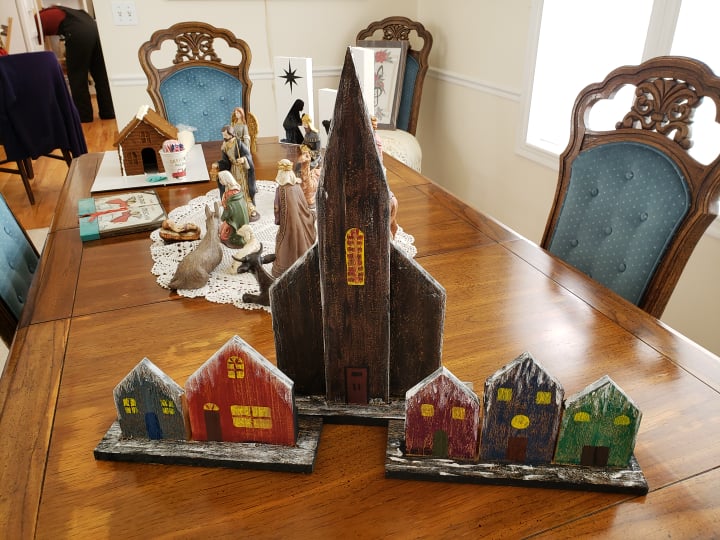
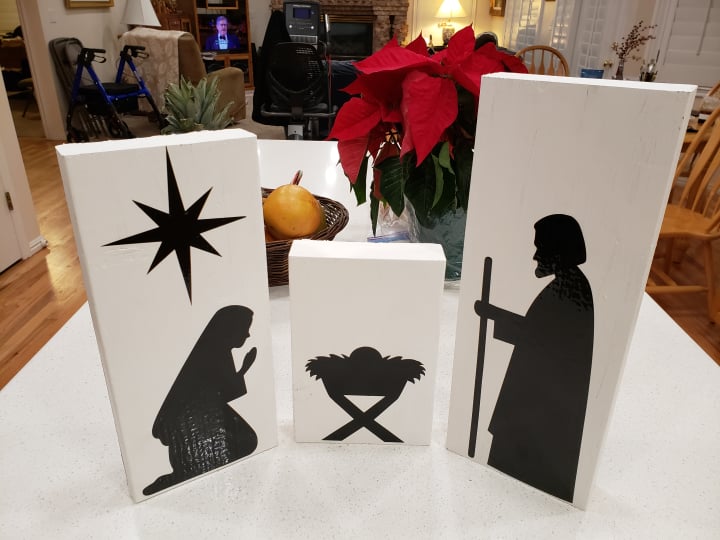
A number of years ago, Tooele City, where I have worked for 28 years, began to host craft workshops for the locals.  A color flyer showed the projects, often holiday themed, and we could order them online.  On the appointed evening, we gathered to collect our crafts, mostly preassembled, to paint and decorate them.  Several times I took one of my children for a crafting date—Hyrum made a small sledge.  I have made snowmen, scare crows, pumpkins, pilgrims, and Easter bunnies.  Often more than 50 people would come—and I was always the only man there!  Covid-19 shut the program down temporarily, but then it resumed, with the public picking up their projects from city hall, and taking them home to finish.  This Christmas season, I ordered a winter village scene (pictured above), which my daughter Laura and I painted during her short trip from Houston.  Mom ordered a wood block nativity set (pictured below).  These crafts have been an important activity for me, for the chance to socialize with nice people, and to exercise what little artistic inclination I have—not to mention having fun holiday decorations to exhibit on the front porch or on the dining room table.  I appreciate my town for providing this enriching quality-of-life activity, and for finding a way around a pandemic to keep the program going.

Courage at Twilight: Toe Surgery

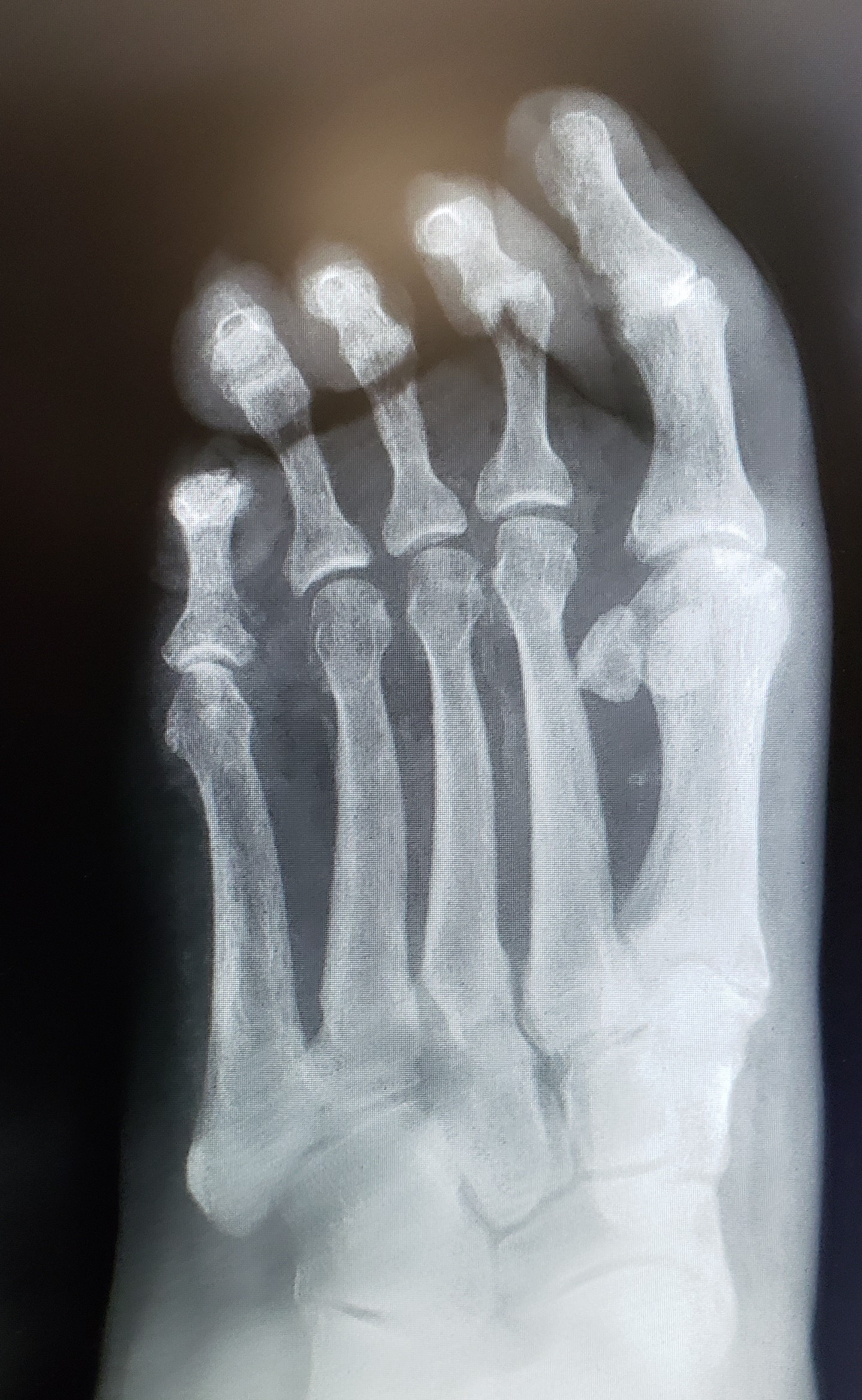
Dad found some of his toes beginning to rise above the others, rubbing painfully against the tops of his shoes.  The podiatrist promised simply, “I can fix that.”  The next week he poked into the sides of Dad’s toes with a tiny scalpel and nicked the toe tendons, to release some of their tension so the toes would drop back into place.  Dad felt great when he came home, and wanted to go to the gym and to the grocery store.  I implored him to sit down and elevate his foot, and placed an ice pack on his foot hoping to prevent and reduce the swelling and pain I knew was coming.  “Dad,” I remonstrated, “if you don’t take it easy today, you are going to pay for it tomorrow.”  And he paid, in the coinage of pain.  And Mom and I paid, too, because it was our job to take care of him.  Our gentle Dad turned into a cantankerous papa bear.  I barked back that I would be very unhappy if he did not take care of his toes and they became infected and had to be amputated.  Perhaps I reacted too harshly, but I needed to get his attention so he would contribute to his own care and healing.  He apologized later, and began following the doctor’s orders (that is, Mom’s and my orders).  Actually, though, he healed quite well, despite diabetes, and I let go my fear of amputation and all it would mean for his mobility.  Now, weeks later, the snow is deep and we are taking granddaughter Amy sledding.

Courage at Twilight: December 23

We moved our Baker extended family Christmas Eve party to December 23 this year. My (former) wife and I began the tradition in 1992 when we lived with my paternal grandmother Dora, in the basement of her little house, after our return from Portugal, where I had been a Fulbright student.  We enjoyed a simple “shepherd’s meal,” with bread and cheese and nuts and fruits and cold meat.  We recounted the birth of the baby Jesus, and we sang Christmas carols.  Dora, a cute 83 years old, dressed up as Mother Mary and held on her lap my two-year old son Brian.  This year Brian brought his two-year-old Lila as we continued the tradition with Mom and Dad and our extended family of Baker siblings and their posterities.  We moved the party from December 24 to December 23 to add Dad’s birthday to the Christ-child celebration.  We had planned the move for last year to celebrate Dad’s 85th birthday, but Covid-19 dictated otherwise.  So, we rescheduled for 86.  But Dad would not allow us to celebrate his birthday at the party.  Though December 23, this party, he insisted, was to celebrate the birth of Jesus, not the birth of Dad.  He grudgingly allowed a few gifts, but focused on his Savior, and on another notable birth, also on December 23, the 1805 birth of Joseph Smith, the founding prophet who established the Church of Jesus Christ of Latter-day Saints, to whom the Father and the Son appeared in 1820.  Those two birthdays counted, Dad said, not his.  We rebuffed him with a respectful, “Yeah, whatever” and added Dad’s birthday to the trifecta celebration.  Card tables and folding chairs accommodated the crowd, which passed by the kitchen island for plates of ham, scalloped potatoes, and my French glazed carrots and parsnips touched with ginger.  And Sarah’s perfect homemade whole-wheat bread.  We sang Christmas carols and rounds and hymns.  We played a matching game with carol names and lyrics.  We played again our indispensable traditional “Left-Right” game in which the group sits in a circle, each person with a wrapped gift, and passes the gifts to the left or to the rights as those words appear in the story Mom narrated about the “Wright” family, with laughter and chaos and flying wrapping paper—one never knew what gift one would receive.  And Brian read the Birth story in Luke 2.  And Dad blessed us again with his Christmas message of love for his Savior and love for his family and how the two inseparably embrace.  The time came for everyone to disperse from whence they came, and Mom, Dad, and I felt content and happy and relieved that the Christmas Eve Birthday party—our 29th annual—had been a success, having celebrated the births of Jesus, Joseph, and Dad: quite our favorite trio.

(Pictured above: a family service project with Mom and Dad.)

Courage at Twilight: Christmas Bittersweet

My thoughts and feelings on Christmas are bittersweet.  Since divorcing seven Christmases ago, the season brings sadness and uncertainty and a nagging sense of failure, along with the traditional excitement and joy and love.  I ruminate on knotty questions: Do I pull my children away from their mother? Will their mother pull our children away from me? How do I plan? What activities do I undertake? How do I think about gifts and meals and parties?  My seven children are mostly grown and gone, but orbit back frequently.  They are my life’s joy.  At Hannah’s holiday choir concert with the Millennial Choirs and Orchestra, six of my seven children were present, with their spouses and granddaughter Lila, even Caleb and Edie on the night before their wedding.  I am grateful for such times—they become joyful memories.  The children’s mother and I are peaceable, both devoted to the success and happiness of our children.  We have found ways to share the Christmas celebration together, to not pull the children apart, but to give them the best broken-family experience we know how.  “Broken family” is the 20th Century’s nomenclature for our family status, but I loathe the label.  We are still a family, and there is nothing broken about us, just different, a bit challenging, like in all families.  We are doing our very best for the family, for the children.  So, I try to set sadness aside, and work to find ways to give and to enrich, to find ways to remember Jesus, our loving Savior and Redeemer, who gave us the example of giving and forgiving.  I look for ways to celebrate Christmas.  So, I watched the children open their gifts, enjoyed the traditional strawberry waffles, talked and plunked the guitar, and played card games and board games and laughed.  And Hannah affirmed in a letter, “I love you so very much Daddy!  I am so blessed to have you as my father.”  Ways to celebrate Christmas.


After Hannah’s Christmas concert.


My children, with Mom and Dad.

Courage at Twilight: Weddings and Wheelchairs

Some days are unabashedly victorious and joyful. They need make no excuse for their happiness, and deserve their delight.  One recent glorious day was my son Caleb’s wedding day.  He and his wife Edie found each other after years of mutual adventures shared by family and friends: rock climbing, kayaking, canyoneering, hiking, mountain biking, and missionary service.  My heart believes in them individually and as a couple, that they can be happy together for the long haul through life.  Caleb’s mother and I joined peaceably in the celebration of our son’s hope and happiness.  Not long ago he was a chubby grinning toddler—now he is a giant with as big a heart.  Mom and Dad, 86 and 82, were able to attend the wedding ceremony, pushed in wheelchairs by my sister Sarah and her husband Tracy.  The marriage was solemnized in the Jordan River Temple, of the Church of Jesus Christ of Latter-day Saints, and we took hurried pictures in a sunny 25-degrees.  The wheelchairs were wonderful tools for access and ability, and at the same time ominous portents of things to come.  My thoughts about marriage are tender and wounded and fearful and hopeful.  I want so badly for the marriages of my children, especially, and my friends and neighbors—everyone—to succeed, to be joyful even, knowing the disruption and agony of that particular failure.  What matters today is that Caleb and Edie are happy together, and they are determined to work with each other and for each other to keep it that way.  I feel so very happy for them.  And how content I am that Caleb’s still-living grandfathers and grandmother could join in the celebration, from the wheelchairs that made that joining possible and even comfortable.  Here’s to good days.

Courage at Twilight: Morning Light

Mom’s and Dad’s open kitchen, dining, and family area has ten windows, facing east, which let in the wonderful morning sunlight as the sun peaks over the 11,000-foot-tall mountain peaks of the Wasatch range.  Sitting at the kitchen table, we watched a doe mule deer with her three yearling fawns stepping through the back yard snow.  When dark descends, Mom shuts out prying eyes by reaching her wooden yardstick over the chairs and sofas to push shut the thick plantation blinds.  In the early morning, preparing my breakfast and lunch for the day, I open the blinds so that Mom and Dad are greeted by sunlight as they begin their day.

(Yep, it’s a birthday–Dad’s 86th!)

Courage at Twilight: Stacks at the Top of the Stairs

The stairs to the basement have become more and more difficult for Mom and Dad to go up and down the stairs to the basement.  Each step is a labor, descending a focused effort not to slip or fall, and ascending a herculean effort to climb.  Their trips to the basement to retrieve canned goods or to put their DVDs back on the bookshelves have dwindled to a minimum.  Mom piles clean folded sheets and cans of fruit and NCIS DVDs and rolls of toilet paper on the top stair, allowing sufficient accumulation to warrant the long trip to the cool dark basement.  I see these stacks as my cue to take the trip myself, putting things in their places.  The routine has become a game Mom and I play, with her piling the items neatly on the stair, and me running them downstairs to their nooks and shelves and cupboards.  I don’t mind—I like putting things away neatly in their places.  And we do not even need to coordinate—the task is simple and understood by us both, with not another word said.  Speaking of which, it is time for the next season of NCIS.

Courage at Twilight: Creamy Potato-Leek Soup

One of the first French meals I cooked for Mom and Dad was Julia Child’s potato-leek soup.  This very simple soup is so hearty and delicious, and the texture thick and creamy.  In one big pot I boiled cubed potatoes, rings of carrots, and sliced leeks, yellow onions, and green onions, with a spot of butter, a shake of pepper, a sifting of salt, and a spray of aromatic herbs: thyme, bay leaf, parsley.  With the vegetables soft, it was time to puree them in their juices with a wand blender, adding cream to the perfectly pureed consistency.  Chopped spinach and sautéed mushrooms were the last to join in, adding color, flavor, and nutrients.  The soup turned out perfectly.  Mom, Dad, and I enjoyed every delectable sip from the spoon, together with bites of crunchy buttered sourdough toast.  Thanks Julia!

Courage at Twilight: Here We Come A-Caroling

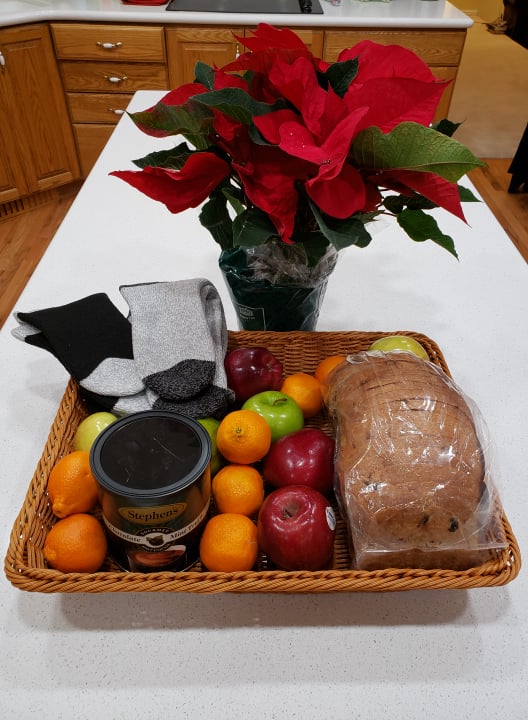
“Can we come around 7:00?” she asked.  “That would be lovely,” I answered.  And they came, on a very cold Tuesday night, a small group of church youth with their leaders—two young women and two young men.  “Merry Christmas!” they cheered.  Mom and Dad brought them into the living room, where the group sat visiting on the sofas.  The leaders sparked up a Christmas carol, and the youth sang in shy murmurs.  Until Mom joined, that is.  Though the youth came to serenade her, she jumped right in with her cheerful choral charisma and had the small group singing enthusiastically.  After half-an-hour of caroling, the group called again, “Merry Christmas!” and filed out the door, Mom and Dad waving, everyone happier for the visit.  “We had so much fun,” Mom beamed when I came home late from work.  The youth left a beautiful gift basket with a poinsettia, various fruits, a loaf of Great Harvest cinnamon-raisin bread, Stephen’s mint truffle hot cocoa mix, and two pair of warm winter socks.

Courage at Twilight: Housecleaning

Best carpet cleaners 2021 - best carpet cleaning machines to buy

On Saturday evenings in my childhood New Jersey home, Dad filled a bucket with warm soapy water, sank to his hands and knees, and scrubbed the kitchen’s linoleum floor.  I never felt the compulsion or even inclination to join him (but I worked hard in the yard).  I remember thinking his knees must be awfully sore.  Later, he purchased a carpet cleaner to clean the carpeted rooms himself.  The walls showed roller marks where Dad had patched and painted holes or stains on the walls.  He rubbed Murphy’s oil into the wood furniture, and vacuumed the carpets and rugs.  These helpful habits lasted long into Dad’s retirement.  But the day finally came, brought on by a knee transplant and age, that he could no longer descend to his hands and knees to scrub the tile floors.  The day came when Mom and Dad needed help cleaning the house.  That is when Ely started coming.  She comes every Monday morning with her smile and her cleaning supplies.  Mom and Dad love her, are happy to have her in their home, and are relieved at how clean Ely makes everything for them.  In addition, Dad calls Stanley Steamer to steam clean the carpets.  But Dad still breaks out the carpet cleaner to spot clean the trouble spots and wear paths and food spills from the most recent family party.

Courage at Twilight: Hidden Figures

Hannah came home with me for the evening, and to spend the night. After a dinner of soup and toast, I invited her to pick a movie to watch with Mom and Dad.  She went to their movie archive—three basement bookshelves lined with DVDs and even VHS tapes—and came back with Hidden Figures, the story of the critical contributions made by three Black women to NASA’s nascent space flight program and to launching the first American astronaut into earth orbit in 1962.  That astronaut, John Glen, asked human computer and mathematician Katherine Johnson to recheck the new IBM computer’s go/no-go capsule re-entry calculations.  Mary Jackson broke through glass ceilings to help engineer the orbit capsule.  Dorothy Vaughan, a FORTRAM computer language expert, became NASA’s first Black supervisor.  I have seen the movie several times, and always find it inspiring.  These women, and many others, were both heroines and pioneers.  My favorite movie moment is when NASA Director Al Harrison, in a meeting with the nation’s top brass, transfers from his white hand to Ms. Johnson’s brown hand the stick of chalk, a baton, a metaphor for so many necessary human equity advances, including civil rights and women’s rights.  The book is high on my reading list, and I look forward to reading more about NASA’s remarkable hidden figures.

Courage at Twilight: Cheesy Onion Bread

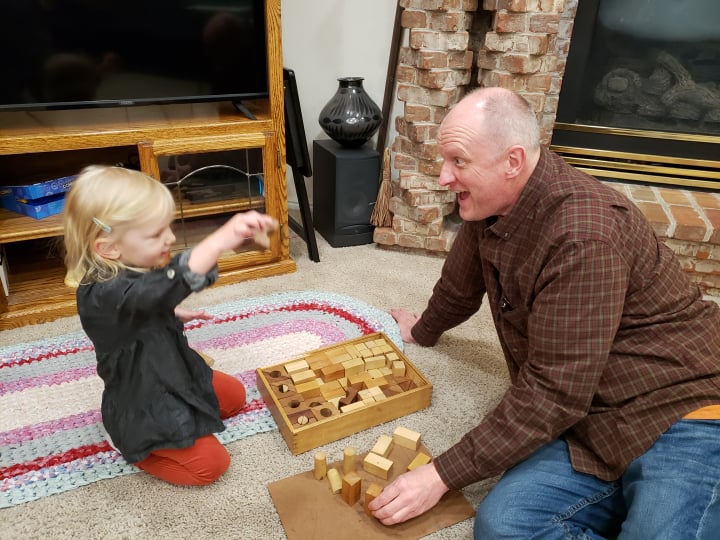
The Olympic games played on the television all day Saturday.  I was getting ready to bake cheesy onion bread with Gabe.  He wanted to do everything: measure out the flour, dump in the salt, even pour in the Guinness.  We pressed and pounded the dough and set it to proof in the lightbulb-warm oven.  Gabe and I laid on the floor in front of the TV building castles with the wood blocks.  As castle architect, he instructed me on exactly where to place each block, and where not to.  Just then Olympic wrestling came on the TV.  We watched the twisting and grunting, looked at each other, and launched into our own wrestling and tickling free for all.  Needing a break, we wandered outside to find Grandpa (Dad) fertilizing and watering his plants and flowers.  Gabe just had to get in on that action, though he preferred watering the landscaping boulders.  When the rocks were clean, he turned the hose on us.

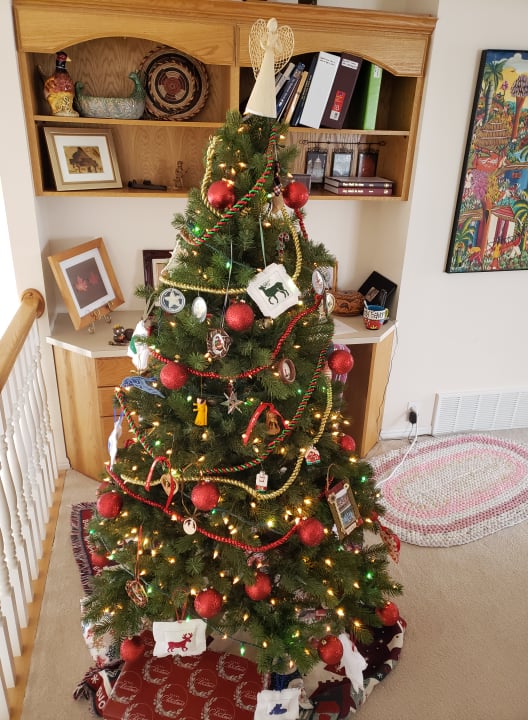
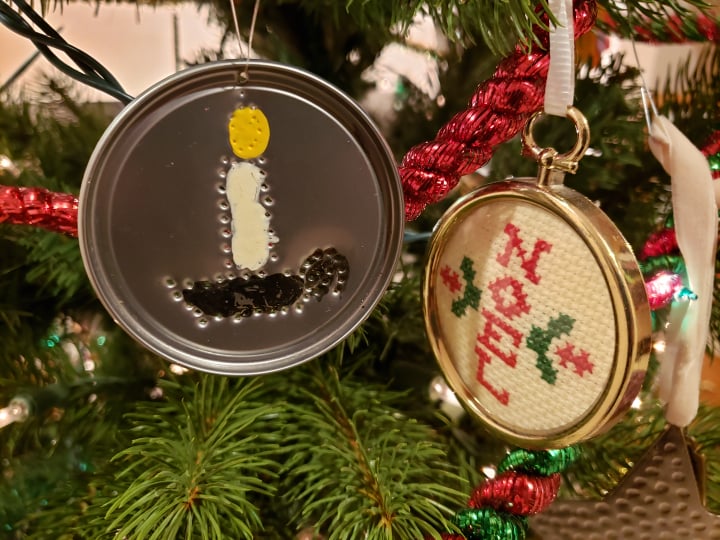
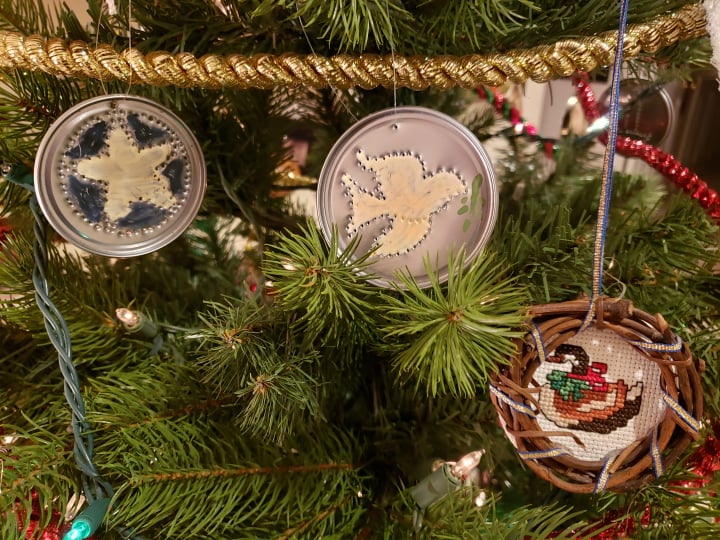
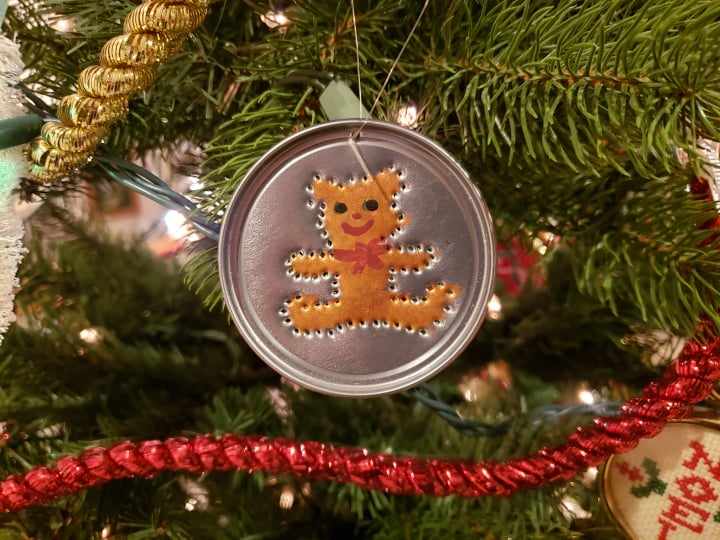
Courage at Twilight: Decorating the Christmas Tree

Steven and I pulled the black garbage bags off the high closet shelf.  Each bag held a section of the Christmas tree.  Boxes of ornaments and lights followed.  My brother Steven was visiting for the week from North Carolina, visiting his beloved, elderly parents.  We spread and fluffed the wire branches, wound bright tinsel ropes, strung strings of white lights, and hung red baubles and ornaments.  Many of the ornaments were homemade, some decades ago in our New Jersey childhood home.  Ornaments made from the lids of frozen orange juice cans, punched with nails in patterns, and painted by little children.  Steven was two years old when I left home for a university 2,200 miles away.  How does an adult brother have a meaningful relationship with a distant two-year-old in the 1980s when long-distance calls cost as much as mortgage payments?  He doesn’t.  But I am in my late 50s now, and he in his early 40s, and the ages no longer matter.  We are brothers, sons of common parents, and we are friends.  Steve laughed as he hung a particular ancient ornament, a humble thing belonging only on our family tree.  We turned the lights on with pleasure, and stood back and looked at the Christmas tree with pleasure.  And Mom’s and Dad’s faces lit up with love and smiles to see their little boy all grown up into the best kind of man.


Courage at Twilight: Pantene 2-in-1

Dad lamented that his scalp hurt, and asked Mom and me to find a better shampoo that would be soothing to his head.  Back in the day, when I had hair, I liked Pantene 2-in-1 shampoo and conditioner.  It softened and smoothed my hair and skin.  So, Mom and I brought home a bottle from the grocery store for Dad to try.  Within a few days, he beamed at how much he liked the new shampoo, remarking that his scalp no longer burned or stung.  (I suspect any shampoo-conditioner combo would have worked.)  The following week, at the grocery store, Mom told me to put five bottles in the shopping cart.  Only two sat on the shelf.  But now we know what works, and will add it routinely to the shopping list.

Courage at Twilight: Mom’s Mint Tea

Mom enjoys her breakfast sitting in her recliner: a bowl of dry Quaker granola, a glass of cold milk, and a tall glass of hot unsweetened mint tea. She asked me once to buy more mint tea at the grocery store.  Along with her standard mint, I brought home a variety of other herbal teas, including berry blends and lemon ginger.  But she did not care for them, and opted loyally for her favorite: mint.  Both spearmint and peppermint sit on her cupboard shelf.  I took the other blends to work, where I enjoy the berry and lemon-ginger flavors, sweetened, of course, while sitting at my desk.  But Mom likes her stimulating mint tea unsweetened.  “Ah, this is so good!” she sighs in satisfaction as she sips.  I am growing mint in my Aerogarden.  After six months of growth, I cut much of the mint off, dried it in a warm oven, ground it in my parsley grinder, wrapped it in cheese cloth, stuffed the cloth into the tea infuser, and steeped it in just-boiled water.  Six months of plant growth made a single tea bag, a weak one at that, and I supplemented with a commercial tea bag from the box.  But I think Mom is right: hot mint tea is simply wonderful.


(Image by congerdesign from Pixabay)

Courage at Twilight: Stories of Cockroaches and Fleas

Dad, this morning: “I was sitting here remembering an odd experience.  When I was a missionary in Brazil in 1956, my missionary companion [missionaries work in twos] rented a room in a house, where we lived.  He got up in the night to use the bathroom, and when he turned on the bathroom light, the walls and the floor were covered with skittering cockroaches, and my companion screamed and woke everyone in the house up!”  Dad is a storyteller, and when I hear, “I remember when…” I know a story is coming, and I had better just plant my feet in the floor for a few minutes.  His stories are always touching or funny, even after a dozen tellings.  I have typed up every story I have ever heard Dad tell about his life (and Mom’s stories, too).  “I was allergic to flea bites.  The bites would swell in great red mounds.  The itching was terrible, and I scratched the bites with a wire brush—better the pain than the itch.  I got good at catching fleas.  Once I wrote a letter to my mom out of dead fleas.  I stuck them to scotch tape, forming the shapes of the letters with the fleas, then taped them to the paper.  I don’t know how I survived it—I poured a can of DDT in my bed so I could sleep without being eaten alive by fleas, with the sheet tucked up tight under my chin so I wouldn’t breathe in the power.  The DDT killed the fleas, and I’m surprised it didn’t kill me.”  Thirty years later, as a young church missionary in Portugal, I suffered from bed bug bites—the bugs crept out of their hiding places at night while I slept, and bit the backs of my hands dozens of times.  Every morning I awoke with fresh and painful red bites.  I did not know yet of Dad’s mission pesticide story.  As if reenacting it, I bought a can of Raid and sprayed all the wooden joints and slats of my bed and sprayed under the mattress and on sheets.  Fearing illness, or worse, I did all the spraying in the morning, hoping the bed bugs would be dead, and the poison dissipated, by bedtime.  It seemed to work.  And I have my own cockroach story: as a ten-year-old in Brazil, I reached up to open a high closet cupboard, and out poured dozens of two-inch cockroaches landing all over my head and face and shoulders.  Shiver.  I still cannot stand the sight of a cockroach.  I look forward to Dad’s next stories, which likely will be told today.


Pictured above: Dad (far left) and his mission colleagues in Brazil, circa 1958.