Tag Archives: Butterflies

Courage at Twilight: A Sort of Ending

At almost 89 years, Dad just keeps waking up every morning, day after day after day.  His t-shirt garment tops are too tight around the neck and try to strangle him in his sleep, so he sleeps without a top now, or a bottom.  Life is simpler that way.  Mom pulls the shower door closed regularly at 8:00 AM with a bang which I have learned is not a body falling to the floor.  This morning, I needed to escape the comfortable incarceration of home to seek beauty on nature’s trails.  That seems to be my life’s aspirational pursuit: finding beauty.  The twisted canyon where two glaciers once ground away at each other seemed unusually lush.  On their steep meadows, cut gently by a meandering snowmelt stream, the wildflowers grew in excess of three feet tall, all of them: yellow-flowered strawberry, white columbine, lavender lupine, sticky geranium, both the pink and the white, firecracker penstemon, powdery blue bells, the unfortunately named beard tongue, larkspur, paintbrush, sweet pea, catnip, purple and yellow daisies, and blue flax.  On this day’s journey to Desolation Lake, I climbed one slow step after another, steady.  One just keeps going, on and on, up and up.  Pretty middle-aged faces passed me, in both directions, and I said Hello to each, and each became the last in a long, knotted thread of lost opportunities to connect with another human being, for my lack of skill and courage.  At the lake, feeling very tired, I stopped and sat on a log, for there is nothing wrong with stopping to rest on one’s journey.  A small flock of hairy woodpeckers, almost a foot long each, graced me by landing in the ponderosa pines and quaking aspens, very near to me—one of them looked over at me, I am sure—and hammered at the trunks in rapid staccato.  I wondered if the dasher’s one-hundredth-of-a-second stopwatch would still tick too slowly to measure the motions of these birds.  They flew off, and I moved on to the mountain’s descent, not without growing pain from a swelling Achilles tendon.  Never without pain on these trails, never without loss, and grief, all wrapped up in tenderness and love and the beauty of wildflowers and butterfly wings and birdsong and the burbling of water over rocks.  Mr. Rogers and Kermit the Frog both have taught me that every ending is a new beginning, that every good-bye points to the next reunion.  Forever.  When does a story find its end?  How does a writer know when to put down the pen?  When, perhaps, it is springtime in the Rockies, and the swallowtails fly very close and bob their hello, and the stands of bluebells and columbines waive their petals against the canvas, and a bird I have not met sends her voice to echo through the trees with the loose embouchure air of a reedy flute.

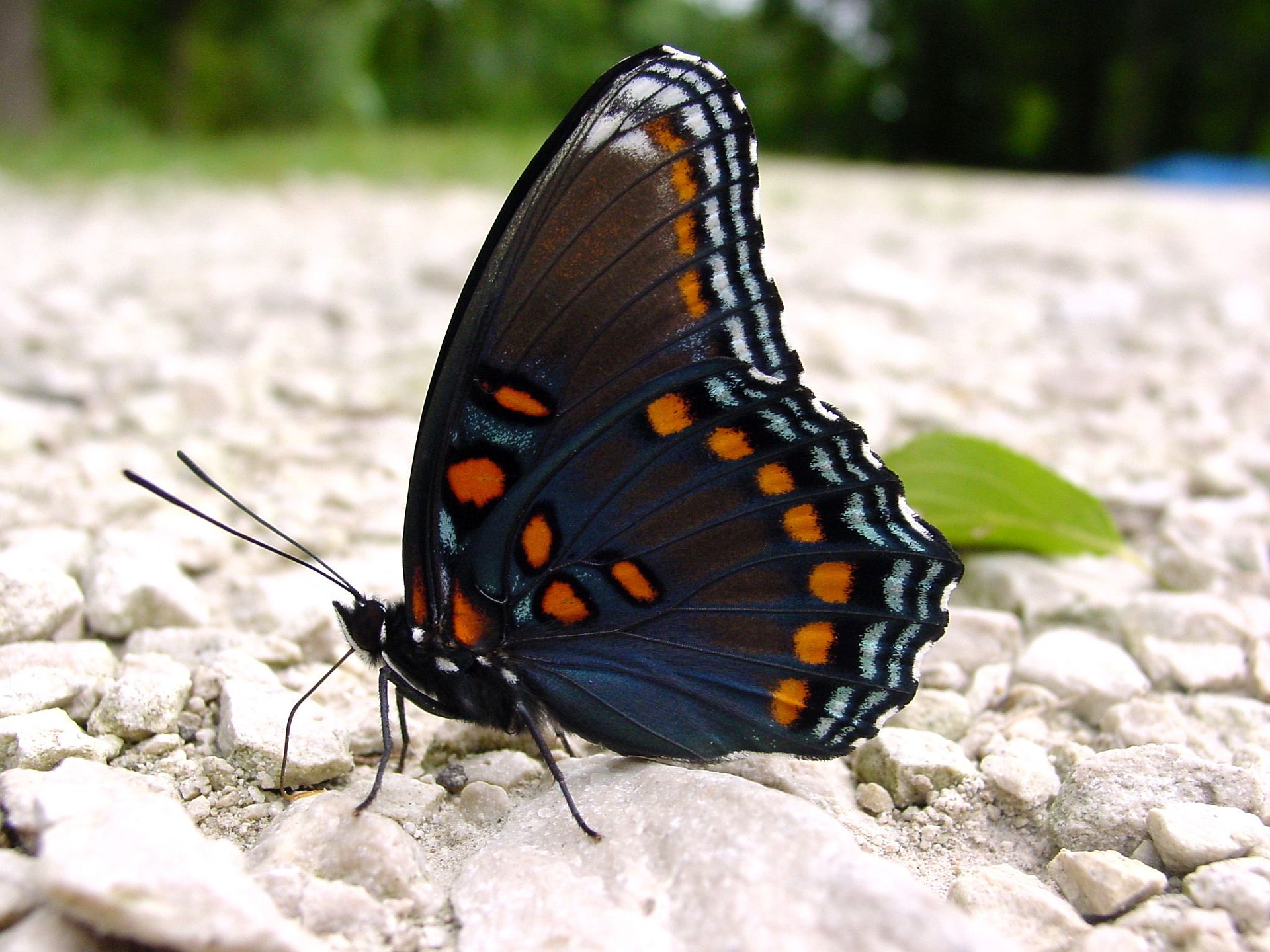
Angles of Sun and Shadow Showed the Forest Butterfly

The Red-spotted Purple is my favorite butterfly.  I have seen her only once.  As a youth in New Jersey, I roamed the fields and woods hunting butterflies and moths.  I counted over 200 species in my collection.  I regret those killing days.  Beauty is most beautiful when alive.  The beauty of butterflies, the beauty I was trying to capture and make a part of my soul, inspires me still and always.  I found the Red-spotted Purple by knowing the position of the sun, seeing the butterfly’s shadow, then knowing just where to look in the canopy.  Knowing where to look is the key to so many things.

Angles of Sun and Shadow Showed the Forest Butterfly

Shadows have wings,
sometimes—
did you know? They flit

through green canopies, they race
over forest floors. I can find
their masters by discerning

the relative position of the Sun.
That one—see there—
I have found her

only once, the prettiest
of them all, I say,
all melding swirls and spots

of royal and rust, the rarest,
also, for my having found her
only once

in so many woodland ramblings,
or perhaps she spites
ubiquity with stealth. To me

she is a rare beauty, spied
by no mere chance, but by calculating
from the relative position of the Sun.

First image by skeeze from Pixabay.   Second image by Peggy Dyar from Pixabay.

Roger Baker is the author of Rabbit Lane: Memoir of a Country Road.  The book tells the true life story of an obscure farm road and its power to transform the human heart.  The book is available in print and for Kindle at Amazon.  See Rabbit Lane reviewed in Words and Pictures.

See My Wings

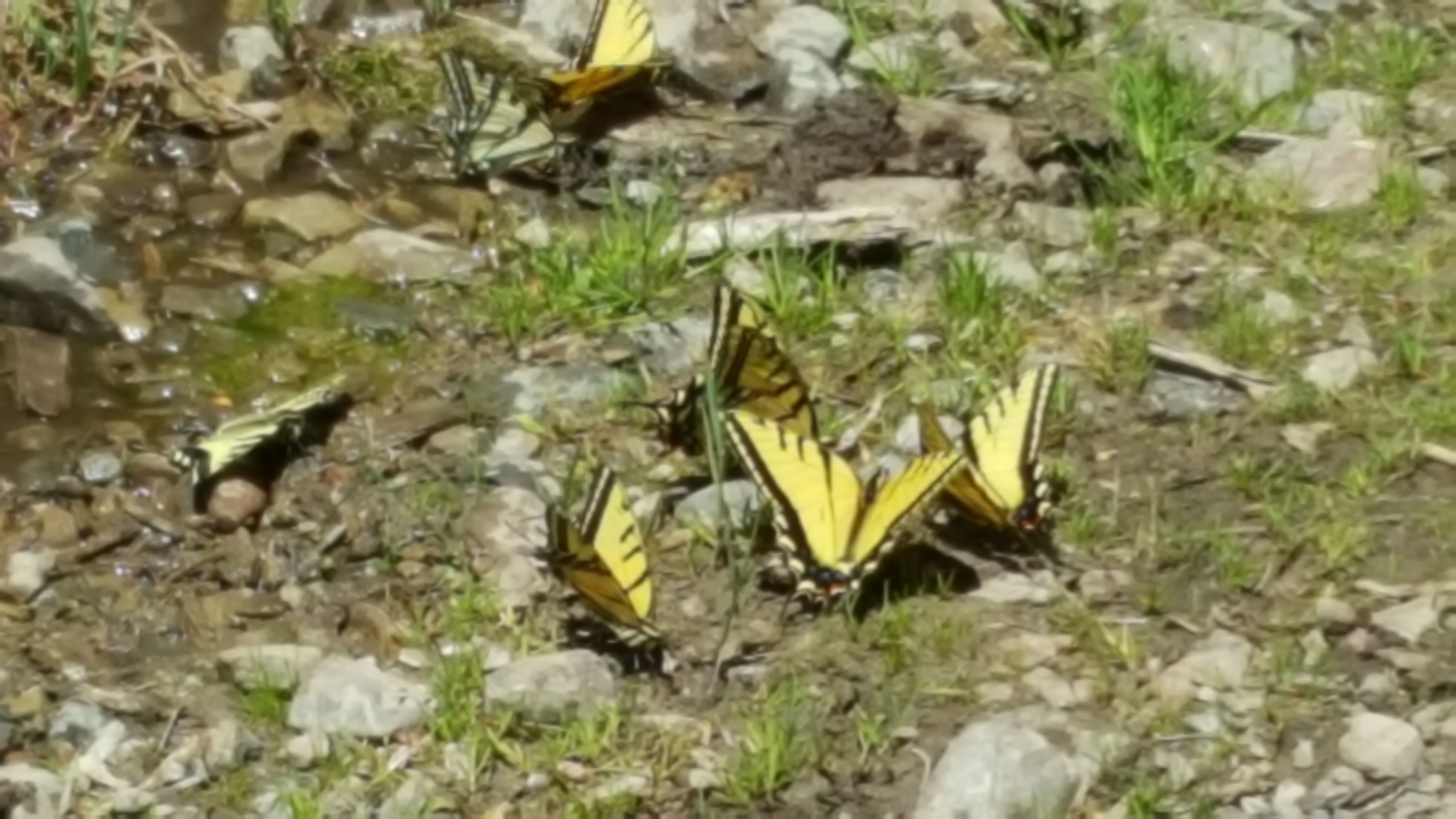
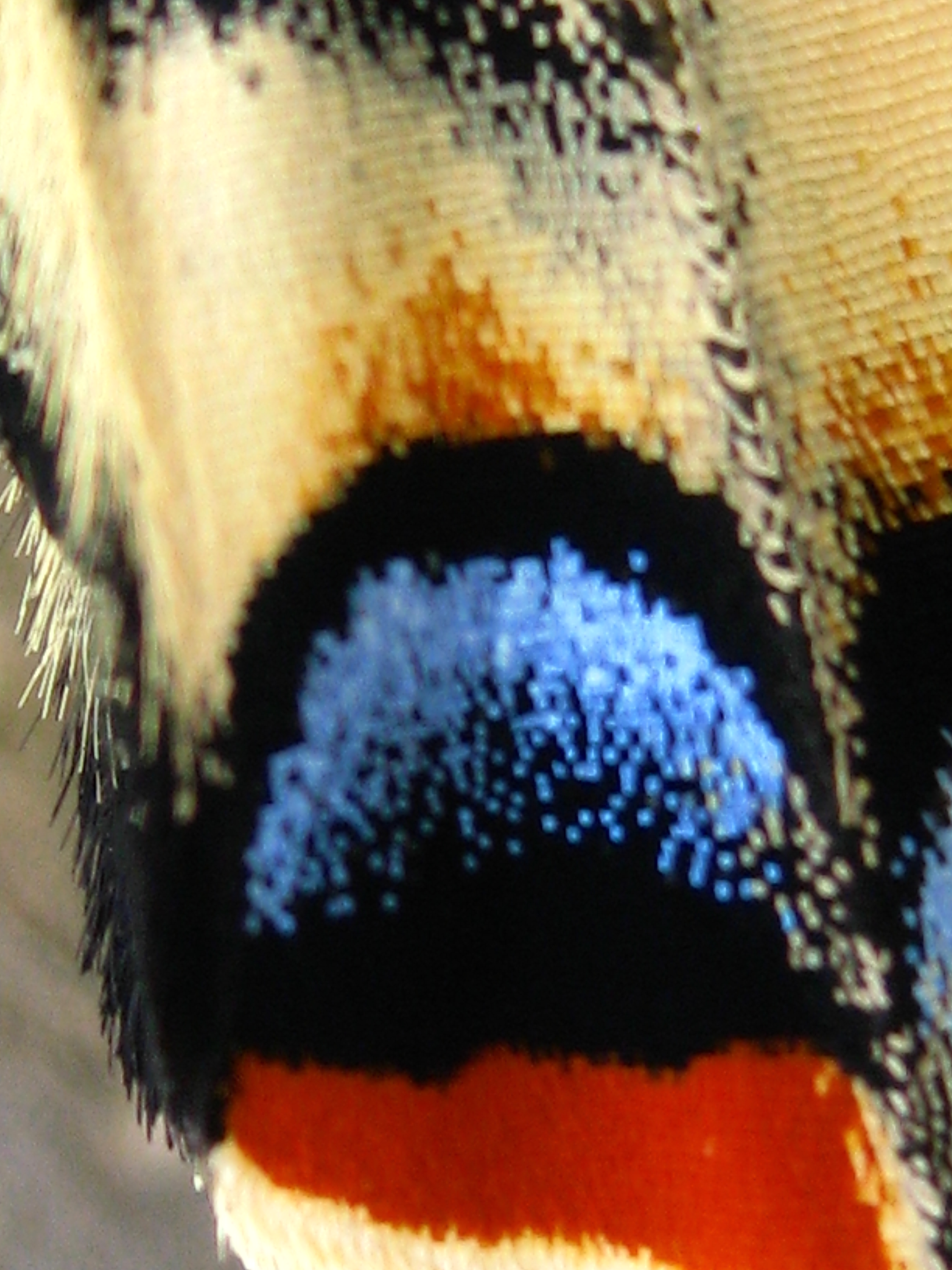
On my recent cycling and hiking forays into the local canyons, I have been graced with the presence of hundreds of gorgeous, enormous Tiger Swallowtail butterflies.  Such amazing creatures!  Utterly vulnerable, yet mighty and magnificent in their beauty and flight.  I reached into the memory of my butterfly collecting days (God forgive me) and my first experience of seeing a butterfly wing under a microscope.  That these stunning creatures can fly on flimsy wings astonishes me.  They embody such a rare combination: beauty and strength and humility.  With no worry for their future, with no thought of the impossibility of them against the world, they fly and fly, in spite of the skeptic.  This poem grasps at the metaphor of a butterfly’s flight to contemplate the concepts of beauty, introspection, the flight of the human soul, and the finding of hope, faith, and trust in this life.  I hope you enjoy it.

SEE MY WINGS

Look closely
at my wings,
carefully,
do not touch,
scrutinize
up close
with the microscope of your brain
and see,
see scale upon scale
in row upon row,
the most exquisite tapestry
known:
orange and blue
spots and whorls
blending
into one another;
yellow and black
fields and stripes,
veined,
coursing
under Sun’s heat
and tiny flutterings
that flash beauty unabashed and unaware,
that lift on wing
into apparent invisibility
of air and sky,
of breath and life,
of trust
implausible and true.

Roger Evans Baker is the author of Rabbit Lane: Memoir of a Country Road.  The non-fiction book is available in print and for Kindle at Amazon.  Rose Gluck Reviews recently reviewed Rabbit Lane in Words and Pictures.

Life Ethic

100_0761 crop

As a boy I collected butterflies. I hunted them, killed them, and mounted them in an impressive display case. I knew their names, their habitats, their habits. Over 100 species. Unhappily, worms destroyed my entire collection. I see now that my youthful intention had been to capture the butterflies’ beautiful essence. I have outgrown my need to capture butterflies. I am content to view them alive and free, awed by their living beauty.

Working in the yard one day I watched my son Brian, then 9 (now 26), chasing a butterfly with a homemade pillowcase net. “I caught it!” he exclaimed. I held my breath as he peered into the net to examine his prize. He soon released the butterfly to live another day. A smile of wonder lingered on his face. I breathed a relieved sigh to see him possess the maturity I had lacked at his age. I had taught him to love beauty. And he had learned. Learned to love beauty without needing to clutch at it, control it, kill it, and mount it on a board, only to lose it in the process. He had learned a Life Ethic. Here is the poem I wrote about that occasion.  (Happy birthday Brian.)

LIFE ETHIC

“I caught it! I caught it!” cried the boy
over my weed-whacker whir
after waving his pole-clamped pillowcase
across the sky.
Two wide eyes and a victory smile
raced to the porch where
two trembling hands
coaxed the delicate creature
through the screened bug-box door.
A bundle of awe,
the boy sat still and stared
at this astonishing bringing-together
of color and form,
at this life.
Father watched from the garden rows,
remembering his own youth’s hunt
for small, helpless prey,
whose fate was to rot
with a pin through the thorax,
and a tag with a name and a date.
But the magical fluttering rainbows had faded
fast behind their showcase.
“Nice catch, son,” father admired
with a pat and a ruffle.
“What are you going to do with him?”
“Well, I think I’ll watch him for a while, and
then I’ll let him go.”
Good boy, father sighed, as
a boy released his heart’s hold and
a captive rainbow again
graced the sky.

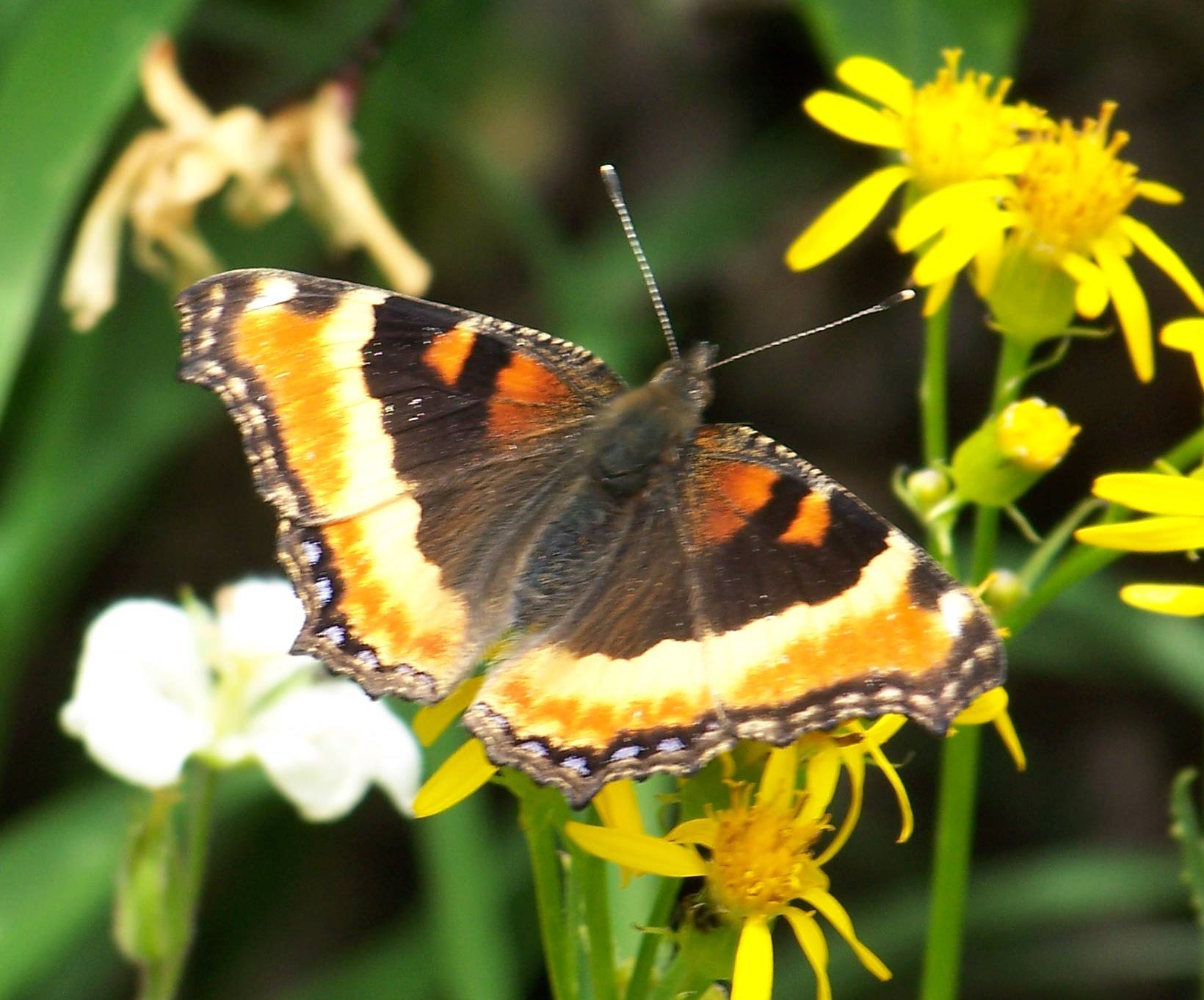
(I took the above photo of a Milbert’s Tortoise Shell in 2007 on the banks of Duck Lake in the high Uinta Mountains of Utah.)

Fly

20130724_120046

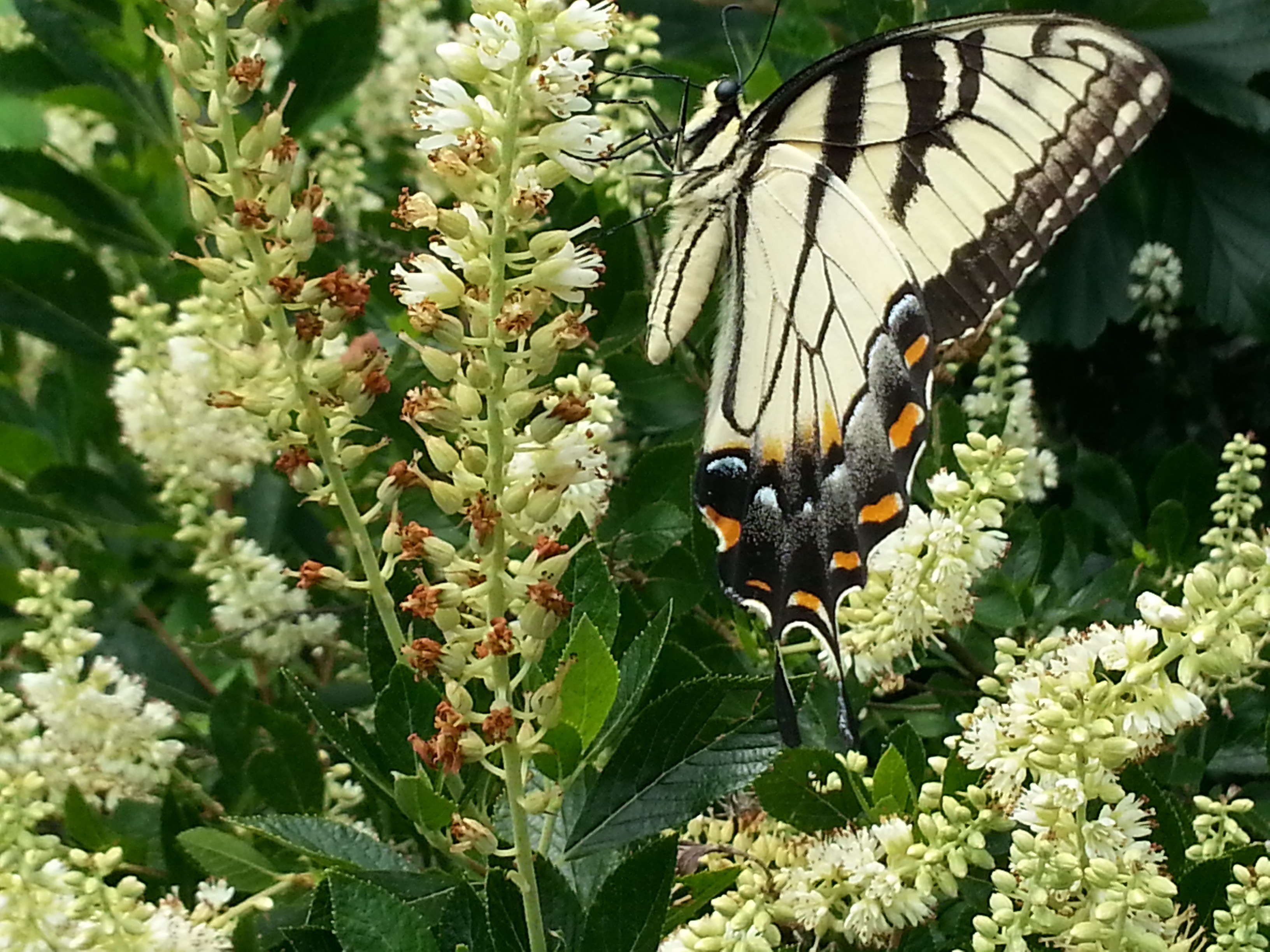
I watched a battered Tiger Swallowtail fly awkwardly from flower to flower, clinging precariously from its remaining feet, its tails cracked and broken.  How sad, I thought, that this usually stunning butterfly has lost its beauty.  Only later did it occur to me that the swallowtail had lost nothing of real beauty.  It lived on, though battered by storms, by would-be predators.  What it had lost in glamour it had gained in strength and nobility.  And it still commanded the air.  It still indulged in the sweetness of life.  This poem celebrates the swallowtail.

FLY

Today you limp
on air:
wings faded,
edges serrated,
tails broken off.
Still, flowers
beckon
you to push awkwardly on,
to cling with three barbed feet.
Uncurl your coil
to taste the sweetness
of the flowers
today.

Sing To Me

20150904_152449

During a separation some years ago, I often wondered if life were worth living.  I was not suicidal, but I lacked a desire to live.  Lying in my bed in the dark of night, I would whisper to the ceiling, to the universe, Give me a reason to live.  Of course, there are many reasons to go on living in spite of our physical, emotional, and spiritual suffering.  Listing them is an easy exercise.  But in suffering’s crucible these reasons can be hard to discern, let alone appreciate.  In this poem I identify a few reasons that just merely hoping for gave me an ounce of strength to go on living and caring, to arise with each new day, during a lonely and unhappy time.

SING TO ME

Give
me a reason
to live.

Smile at me softly.
Sing me a melody.
Touch your lips to mine.
Receive my song.
Condescend.

Give
me a reason
to live.

(I took the above photograph of a Milbert’s Tortoise Shell in September 2015 at Butterfly Lake in Utah’s High Uinta Mountains.)

Life Ethic

IMG_0003

To me, the butterfly is the most beautiful of all the earth’s creatures.  To me, the butterfly represents the height of beauty, virtue, and innocence.  Still, I once hunted butterflies.  I collected one of every species I could find.  I knew their names, colors, diets, habitats, and flight patterns.  (I never knew their Latin names.)  I collected them, as I understand now, in an attempt to grasp and bring into myself their beauty.  Of course, over time they disintegrated into dust.  Now I thrill to watch them fly.  Now I understand that I cannot find beauty by killing it and displaying it on a wall.  Beauty exists outside of us in creatures like butterflies, and arises from within us as we are kind and true.  This poem is about my son’s choice, from the beginning, to let the butterflies live.

Life Ethic

“I caught it! I caught it!” cried the boy
over the weed-whacker whir
after waving his pole-clamped pillowcase
across the sky.
Two wide eyes and a victory smile
raced to the porch where
two trembling hands
coaxed the delicate creature
through the screened bug-box door.
A bundle of awe,
the boy sat still and stared
at this astonishing bringing-together
of color and form,
at this life.
Father watched from the garden rows,
remembering his own youth’s hunt
for small, helpless prey,
whose fate was to rot
with a pin through the thorax,
and a tag with a name and a date.
But the magical fluttering rainbows had faded
fast behind their showcase.
“Nice catch, son,” father admired
with a pat and a ruffle.
“What are you going to do with him?”
“Well, I think I’ll watch him for a while, and
then I’ll let him go.”
Good boy, father sighed, as
a boy released his heart’s hold and
a captive rainbow again
graced the sky.

Chapter 14: No Trespassing

20140318_181818

–A butterfly graces equally the idyllic mountain meadow and the urban flower box.–

On a cedar fence post near Rabbit Lane an old sign announces “No Trespassing.”  The letters were burned or carved into the worn and weathered plank.  The sign has been cracked by the black head of a rusting iron nail driven into the cedar post.  The sign has long ago lost any intimidating aspect, and it now resembles the endearing smile of a gap-toothed old man. Continue reading