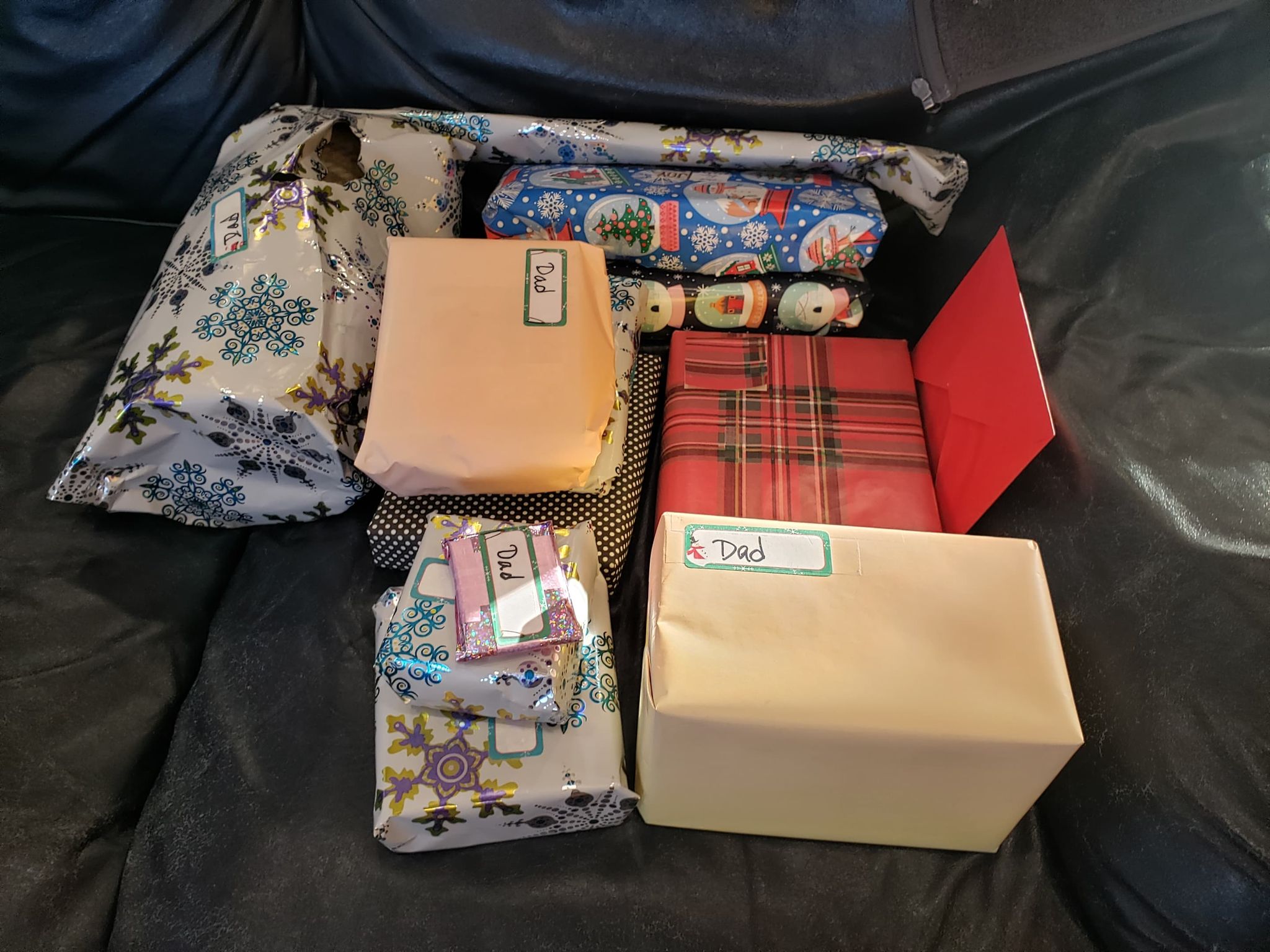
“The doctor wants to see him in person,” the receptionist asserted, and this after Sarah, and then I, more than once each, had explained how delivering Dad to the doctor’s office was not only an impossible physical feat, but also an unsafe one, both for Dad and for me, for the sheer physical strain, and how leaving the doctor’s office after an in-person visit would find Dad worse off than when he arrived, and how is that in the patient’s best interest. She said, again, that she would talk with the doctor, who on the day of the video appointment commented on how well the five-minute visit had gone, and let’s do it again in two weeks to check on the diuretic. A nurse had come to the house to take Dad’s vital signs (based upon which he is healthier than I am) the mornings of the video appointments. My goodness—so much happening today. Cecilia helped Dad for the last time, said she wished we could have worked things out with Arosa, said she might leave Arosa because the new rates are driving patients away and reducing her hours and her pay, said good-bye and said good luck and drove away. Chantelle and Liz, the hospice nurse and social worker, came for Dad’s hospice intake interview and paperwork. Dad got stuck on the “blue sheet” and what mechanical measures he did and did not want taken to unnaturally prolong his life if he had a stroke or a heart attack or a bad fall—he wants to live, damn it, not be given up on. But doctors have explained to him how cardio-pulmonary resuscitation on his 88-year-old frame would leave him crushed and bruised and brain damaged and with a quality of life reduced to an oxymoronic noun (like “shit”) that “quality” would not describe. Q: How are you feeling? A: Like great shit. We will come back to the blue sheet another day. And we will come back another day to the long medications list, and the question of which prescription drugs he might dispense with in light of the hospice goal to maintain comfort rather than artificially extend life. Mom and Dad each sat in their recliners during the long interview, and I sat in between them, moderating questions and answers, careful to let them answer what they could before jumping in, careful to quietly correct dementia’s inaccuracies, and a few downright lies, as to dates and weights and numbers and names. I sat between them, just as I did on Christmas day when they opened the gifts their children had delivered, from where I dispensed one gift to Mom on my right and one gift to Dad on my left, from their respective gift piles, identifying whom the gifts were from, keeping a written list, and moving the unwrapped gifts to new respective piles, gathering and crumpling the wrapping paper after each unveiling. (Wrapping paper is recyclable, I researched, so long as it stays compressed and crumpled when compressed and crumpled, meaning it is really paper instead of mixed with plastic or metal or cloth fibers.) Fuzzy slippers, fuzzy socks, biographies of the Fonz and Captain Picard, pounds of chocolates, word puzzle books, Horatio Hornblower DVDs, needlepoint kits, and signed cards. Mom held up her hands for her gifts, as she does with her dinner plates, like an eager chick. As the hospice women left, instant new friends, Mom announced they would each receive an Afton hug, a full-bodied arm-wrapping embrace with dancing left and dancing right, named after a beloved granddaughter. I felt mortified and turned away from the tender bizarre scene, all my inhibitions overwhelmed, but Chantelle and Liz laughed and joined heartily in.
 Rabbit Lane